 Save to Pinterest
 My neighbor called me three days before her daughter's First Communion, voice slightly panicked, asking if I could bake something special. I'd never made a celebration cake before, but I found myself at the store buying buttercream ingredients and thinking about how a simple vanilla cake could hold so much meaning. That afternoon, mixing butter and sugar until it turned pale and fluffy, I realized this wasn't just about feeding people—it was about creating a moment they'd remember.
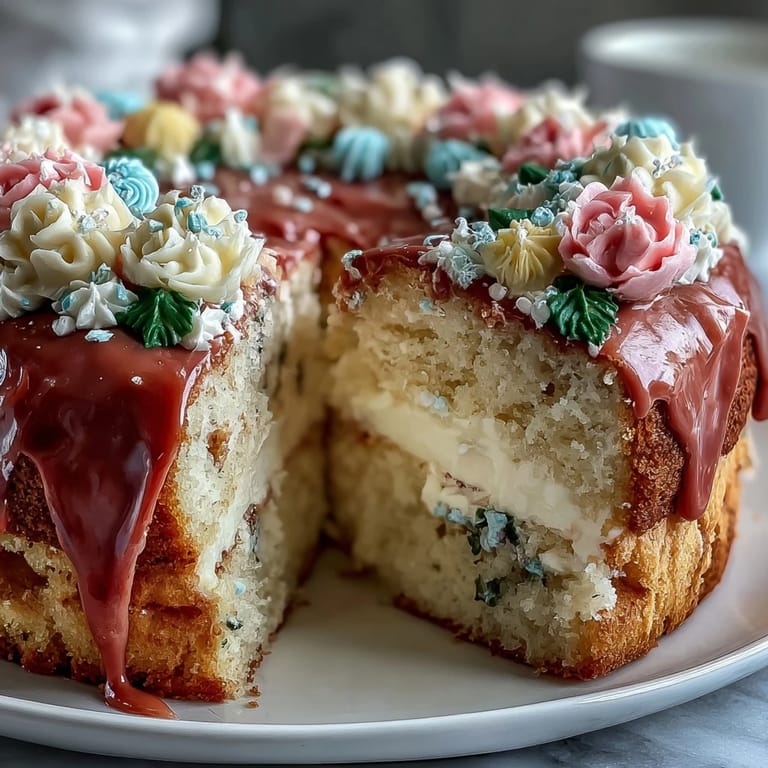
Watching that little girl's face light up when she saw the pink and yellow flowers across the white frosting made every careful piping stroke worth it. Her mother hugged me in the church basement, and I realized the best part wasn't even tasting it—it was knowing this cake would be in their family photos forever.
Ingredients
- All-purpose flour (2 ½ cups): The foundation that keeps the crumb tender rather than dense, so sifting it with the baking powder helps distribute the leavening evenly.
- Baking powder (2 ½ tsp): This is your lift and lightness—don't skip the measurement or your cake flattens.
- Salt (½ tsp): A pinch that makes the vanilla sing louder than you'd expect.
- Unsalted butter (1 cup), softened: Room temperature is non-negotiable; cold butter won't cream properly and your batter will be lumpy.
- Granulated sugar (2 cups): This incorporates air into the butter, creating that light texture that melts on your tongue.
- Large eggs (4), room temperature: Cold eggs break the emulsion and make the batter grainy, so pull them out of the fridge while you prep.
- Pure vanilla extract (1 tbsp): Use the real stuff, not imitation, because in a simple cake like this you taste every drop.
- Whole milk (1 cup), room temperature: The alternating wet-dry method creates a delicate, even crumb that stays soft.
- Unsalted butter for buttercream (1 ½ cups), softened: This becomes your canvas for color and piping, so soft butter whips into clouds.
- Powdered sugar (6 cups), sifted: Lumps in your frosting will show through when you pipe, so this step actually matters.
- Whole milk for buttercream (¼ cup): Adjusting this slightly thins or thickens your frosting depending on humidity.
- Pure vanilla extract for buttercream (2 tsp): Another chance to add warmth and depth to your decoration.
- Food coloring: Gel colors stay vibrant without making your frosting runny like liquid colors do.
Tired of Takeout? 🥡
Get 10 meals you can make faster than delivery arrives. Seriously.
One email. No spam. Unsubscribe anytime.
Instructions
- Set your stage:
- Preheat the oven and prepare your pan while you gather ingredients—this prevents that frantic moment when the oven beeps and you're still measuring flour. Lining with parchment paper means the cake lifts out cleanly without any crumbling edges.
- Build your dry ingredients:
- Whisking flour, baking powder, and salt together ensures even distribution so every bite has consistent rise and flavor. This takes maybe a minute but changes everything.
- Cream butter and sugar into clouds:
- Beat them together until the mixture is pale, fluffy, and noticeably lighter in color—this aeration is what makes the cake tender rather than tight. You'll hear the mixer sound change as air gets incorporated, and that's your signal you're nearly there.
- Add eggs with intention:
- One egg at a time, letting each fully incorporate before adding the next, keeps your batter emulsified and smooth. Rushing this step leads to a split, grainy mixture that bakes up dense.
- Fold in flour and milk in a rhythm:
- Start with flour, then milk, then flour, ending with flour, and mix only until you don't see dry streaks anymore. Overmixing develops gluten and toughens the cake, so stop as soon as it comes together.
- Into the oven:
- The batter should pour smoothly into the pan; smooth the top gently so it bakes evenly. The smell about twenty minutes in will make you realize why people call this comfort.
- Test for doneness:
- A toothpick should come out clean or with just a few moist crumbs, not wet batter. Every oven bakes differently, so start checking at twenty-eight minutes.
- Cool with patience:
- Ten minutes in the pan lets the cake set enough to turn out without falling apart, but don't let it cool completely in there or it gets rubbery. Once on the rack, truly cool cake handles frosting without melting it.
- Make your buttercream base:
- Beat butter alone first until it's pale and creamy, then gradually add powdered sugar so you don't create a flour cloud. The milk loosens it to spreadable consistency while keeping it stable enough for piping.
- Color and prepare for piping:
- Divide buttercream into small bowls and add gel coloring drop by drop—it's concentrated, so a little goes far. Transfer each color into piping bags with your chosen tips, and you're ready to decorate.
- Frost the foundation:
- Spread a base layer of plain buttercream all over the cooled cake so your flowers have something to anchor into. This crumb coat layer doesn't need to be perfect.
- Pipe your flowers:
- Hold the piping bag perpendicular to the cake and use gentle, consistent pressure—flowers are more forgiving than you think. Start at the corners and edges for a classic look, or create a border around the top.
- Add meaningful details:
- A piped cross or delicate lettering with a small round tip makes this unmistakably a First Communion cake. These small touches transform it from pretty to personal.
 Save to Pinterest
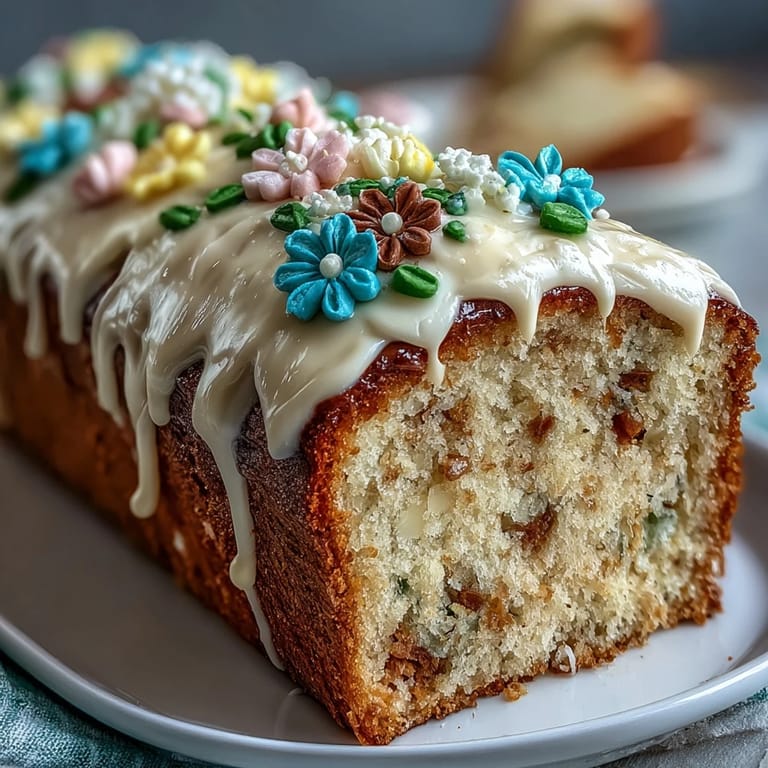
 There's a moment when you pipe that last flower and step back to see the whole cake come together—white frosting dotted with soft pinks and yellows, looking almost professional. It's the moment you realize you've just created something beautiful with your own hands, and that knowledge stays with you.
Timing and Make-Ahead Magic
Bake the cake the day before and store it covered at room temperature—it actually becomes more moist overnight as the crumb settles. Make the buttercream a few hours before decorating so it's at perfect piping consistency, and don't refrigerate the finished cake unless your kitchen is extremely warm, because cold frosting loses its delicate flowers to condensation.
Flavor Variations Worth Trying
The base vanilla is classic for a reason, but I've added half a teaspoon of almond extract to echo Italian bakery flavors, and it transforms the whole cake into something with more complexity. A light lemon zest whisked into the batter creates subtle brightness without overwhelming the vanilla, and pairing it with pale yellow flowers makes everything feel connected and intentional.
Decorating Like You Mean It
The piping bag is less intimidating than it looks once you realize that imperfect flowers actually look more charming and handmade than perfect ones. Soft pressure and patience matter more than technique, and even if a flower doesn't look exactly right, stepping back from the cake usually makes it look better than you feared. The small details—a few leaf shapes between the flowers, maybe piped dots for flower centers—suddenly make the difference between something adequate and something memorable.
- Practice one flower type on parchment paper before committing to the cake so your hands remember the motion.
- Keep the piping bag upright and use consistent, gentle pressure rather than squeezing hard.
- Refrigerate the frosted cake for thirty minutes before serving so the flowers hold their shape and the cake cuts cleanly.
 Save to Pinterest
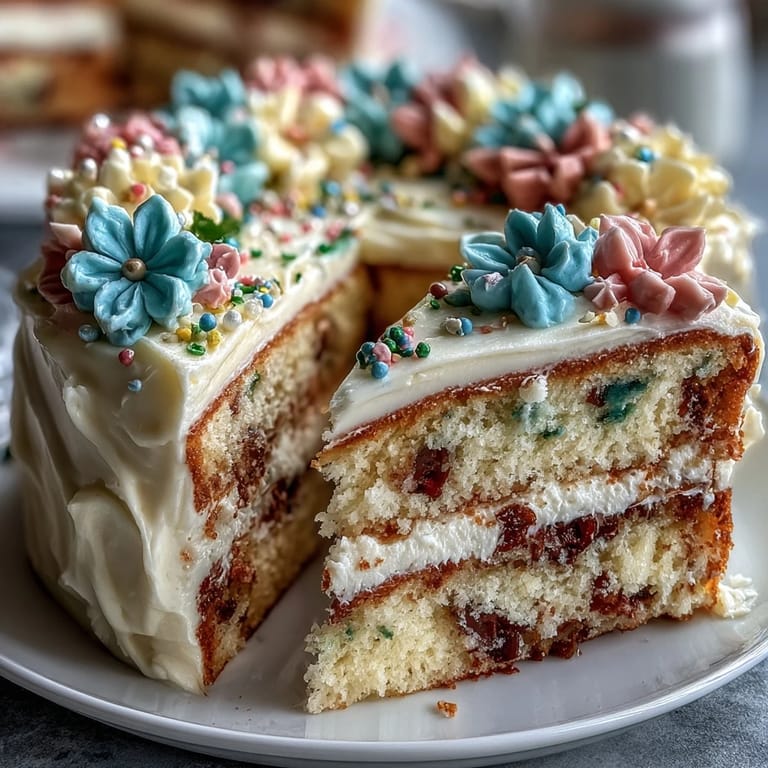
 This cake has become my go-to for milestones and small ceremonies because it's simple enough to feel achievable but special enough to feel celebrated. Every time I make it, I think about that little girl and how a homemade cake meant something her family won't forget.
Recipe Frequently Asked Questions
- → How do I ensure the cake stays moist?
Use room temperature ingredients and avoid overmixing the batter. Baking the cake until a toothpick comes out clean but not dry helps retain moisture.
- → What is the best way to pipe buttercream flowers?
Use piping bags fitted with flower and leaf tips. Keep the buttercream smooth and slightly chilled for better control while decorating.
- → Can I prepare the cake ahead of time?
Yes, the cake can be baked and frosted a day ahead. Store covered at room temperature to maintain freshness.
- → What substitutes work for the butter in the batter?
Unsalted butter is recommended for flavor control, but softened margarine or vegan butter alternatives can be used for dietary needs.
- → How can I achieve vibrant colors in the frosting?
Gel food coloring is ideal as it provides vivid hues without thinning the buttercream.
- → What size pan is best for baking this cake?
A 9x13-inch pan ensures even baking and provides enough surface for detailed decoration.