 Save to Pinterest
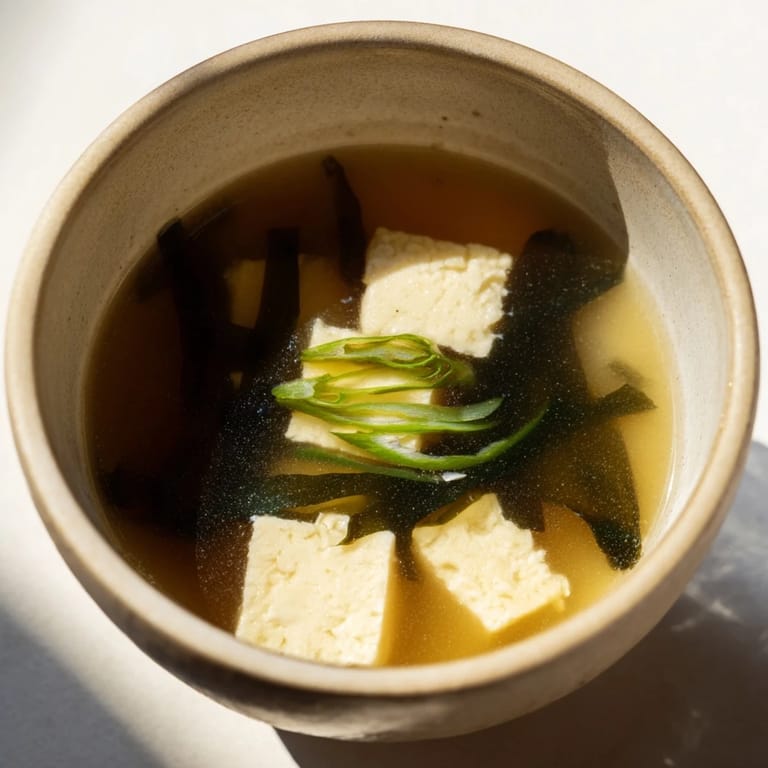
 My tiny apartment kitchen smelled incredible the first time I attempted miso soup after my roommate Yuki showed me her grandmother's method. The seaweed rehydrating in cold water brought back memories of wandering through Tokyo markets at dawn, watching vendors set up their stalls while steam curled from food carts in the misty morning air.
Last winter when everyone around me seemed to be catching whatever bug was going around, I made giant batches of this soup. My friend Mai came over feeling completely drained and left claiming the warm broth had practically healed her soul. Now she texts me whenever she needs a bowl sent over via delivery.
Ingredients
- 4 cups dashi stock: The foundation of any proper miso soup. Homemade dashi tastes noticeably better, but good quality instant granules work perfectly for weeknights.
- 3 tablespoons miso paste: White miso creates a milder, sweeter soup. Yellow miso adds more depth. I keep both in my fridge and mix them depending on my mood.
- 200 g silken tofu: Silken tofu feels luxurious in soup. Handle it gently when cubing or it will break apart into unappealing crumbles.
- 2 tablespoons dried wakame: This seaweed expands dramatically when soaked. A little goes a long way and adds that characteristic ocean flavor.
- 2 scallions: Fresh scallions provide a bright contrast to the savory broth. Slice them just before serving so they stay crisp.
Tired of Takeout? 🥡
Get 10 meals you can make faster than delivery arrives. Seriously.
One email. No spam. Unsubscribe anytime.
Instructions
- Prepare the broth:
- Bring your dashi to a gentle simmer. You want it hot but not aggressively boiling or you will lose some delicate flavor.
- Soak the seaweed:
- Place the dried wakame in cold water for about 5 minutes. Watch it expand and transform from brittle to tender.
- Dissolve the miso:
- Whisk the miso paste with a ladleful of hot dashi until completely smooth. This prevents clumps in your finished soup.
- Add tofu and seaweed:
- Gently slide the tofu cubes into the simmering broth along with the drained wakame. Let everything warm through for a few minutes.
- Combine and serve:
- Remove the pan from heat and stir in the dissolved miso. Never boil miso or you will destroy the beneficial bacteria and delicate flavor.
 Save to Pinterest
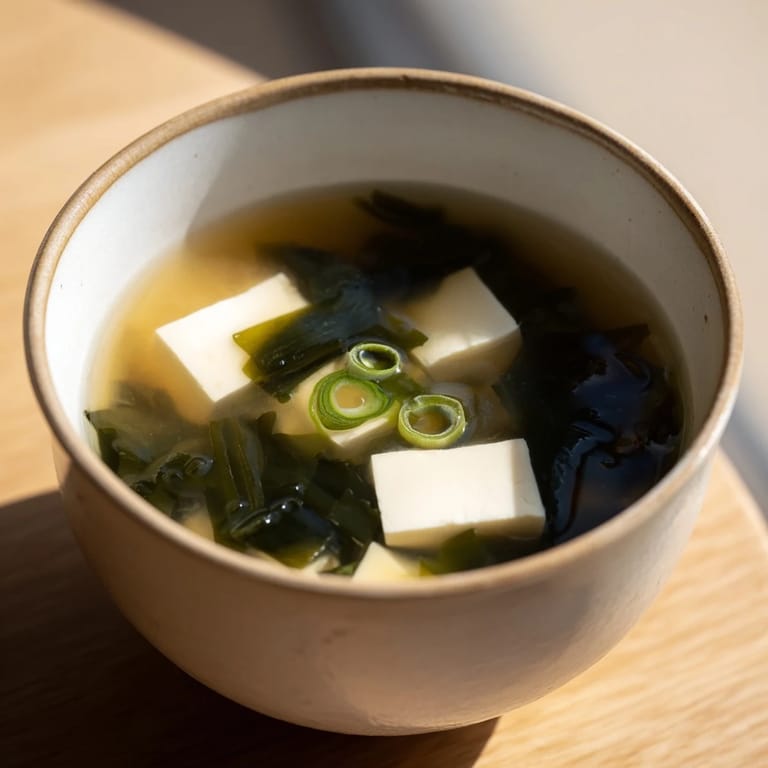
 This soup became my go-to remedy after a disastrous cooking class left me questioning my abilities. The instructor had criticized everything I made that day, but sitting down to a bowl of perfectly balanced miso soup reminded me why I started cooking in the first place. Sometimes the simplest dishes are the ones that restore our confidence.
Making Your Own Dashi
Store-bought dashi granules are convenient, but making dashi from scratch is surprisingly simple. Combine water with kombu seaweed and bonito flakes, simmer briefly, and strain. The difference in flavor clarity is remarkable. For a vegetarian version, use shiitake mushrooms instead of bonito.
Choosing Your Miso
White miso fermented for less time creates a sweet, gentle flavor perfect for beginners. Red miso ages longer and develops an intense, salty punch. A mix of both gives you complexity without overwhelming subtlety. Experiment with different ratios to find what pleases your palate.
Building a Complete Bowl
A proper Japanese meal often serves miso soup alongside rice and a small protein dish. The combination creates a balanced, satisfying experience. Add a simple green salad with sesame dressing for extra freshness.
- Keep sliced scallions in cold water until serving to maintain their crunch
- Serve the soup immediately after adding the miso for the best flavor
- Preportion miso paste into an ice cube tray and freeze for quick future batches
 Save to Pinterest
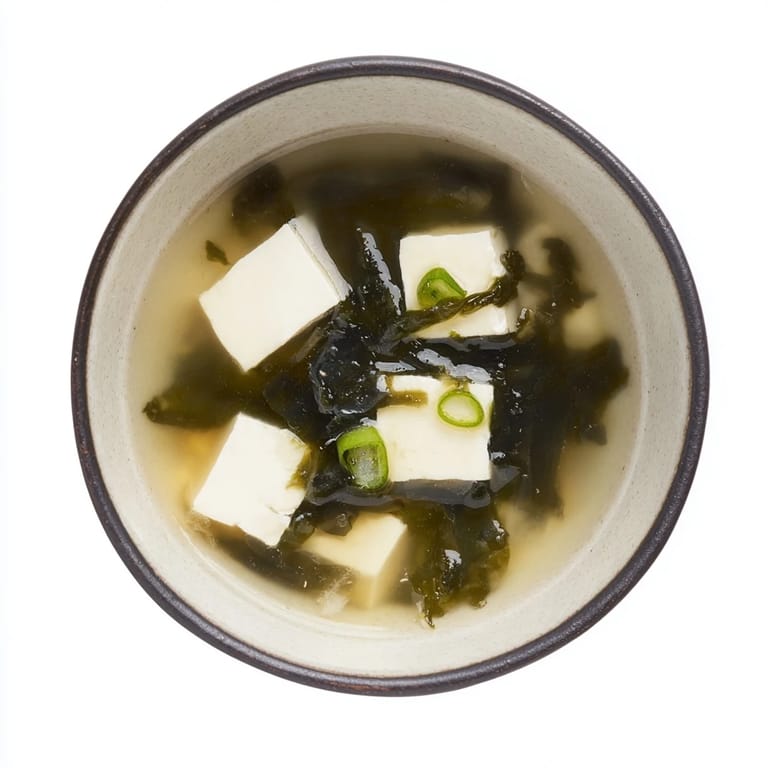
 Whether you are feeling under the weather or simply need something warm and comforting, this miso soup delivers. The ritual of making it has become almost as nourishing as eating it.
Recipe Frequently Asked Questions
- → Can I make this soup ahead of time?
Yes, prepare the dashi base with tofu and seaweed in advance. Add the miso paste just before serving, then reheat gently without boiling to preserve the beneficial probiotics and fresh flavor.
- → What type of miso works best?
White miso (shiro) offers a milder, sweeter flavor perfect for beginners. Yellow miso provides a slightly stronger taste. For deeper complexity, blend both varieties. Avoid red miso unless you prefer an intense, robust profile.
- → Is dashi stock essential?
Dashi forms the traditional foundation, providing authentic umami depth. Vegetarian versions using kombu seaweed and shiitake mushrooms work beautifully. In a pinch, quality vegetable broth can substitute, though the flavor profile will differ slightly.
- → Why shouldn't I boil the miso?
Boiling miso paste kills the beneficial probiotic bacteria that develop during fermentation. High heat also creates a bitter, off-flavor. Always dissolve miso in warm liquid separately, then stir into the soup after removing it from heat.
- → Can I add other vegetables?
Absolutely. Thinly sliced shiitake mushrooms, baby spinach, chopped bok choy, or snow peas all complement the delicate flavors. Add heartier vegetables like carrots earlier so they soften, but keep spinach additions brief to avoid wilting.