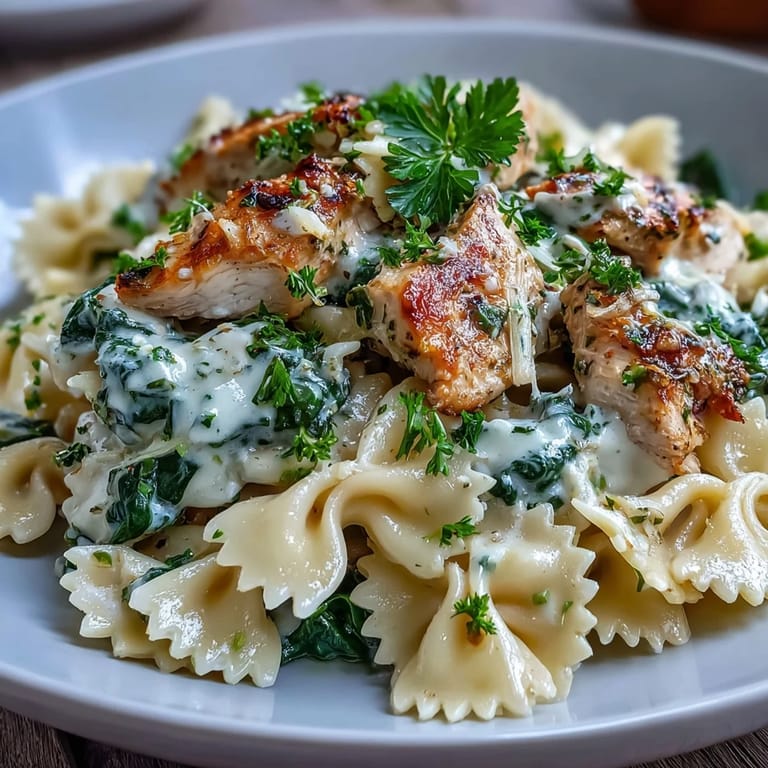
 Save to Pinterest
 There's something about the way lemon hits you when a pot of orzo is bubbling away that stops you mid-thought. I discovered this dish on an ordinary Tuesday when I had chicken, a box of orzo, and half a lemon staring at me from the fridge. What started as improvisation became the kind of meal that tastes like spring feels—bright, nourishing, and somehow both simple and special at once.
My neighbor smelled it cooking one evening and knocked on the door asking what I was making. By the time I'd finished plating, she was sitting at my kitchen table with a fork, and we spent the whole meal talking about how food has this quiet way of bringing people together without any fanfare. That's when I knew this recipe was worth remembering.
Ingredients
- Boneless, skinless chicken breasts or thighs (500 g): Thighs stay juicier if you're not watching the clock too carefully, but breasts work beautifully if you slice them into bite-sized pieces and don't let them overcook.
- Orzo pasta (250 g): This tiny rice-shaped pasta absorbs all the broth and becomes almost creamy without any effort on your part.
- Fresh baby spinach (100 g): It wilts down dramatically, so don't be intimidated by the pile—it becomes manageable the moment it hits the heat.
- Yellow onion (1 medium): Dicing it fine means it disappears into the sauce and adds sweetness rather than crunch.
- Garlic (2 cloves): Mince it small and add it quickly after the onion so it perfumes the whole skillet without burning.
- Low-sodium chicken broth (900 ml): The pasta drinks this up, so quality matters here—it becomes the backbone of every spoonful.
- Whole milk or half-and-half (120 ml): This rounds out the acidity from the lemon and makes the sauce feel luxurious without being heavy.
- Lemon zest and juice (1 large lemon): The zest gives you little bright pops, while the juice threads tartness through everything—don't skip either one.
- Grated Parmesan cheese (50 g): Use freshly grated if you can; it melts into the sauce more elegantly than the pre-grated kind.
- Olive oil (2 tablespoons total): Split between cooking the chicken and sautéing the aromatics for the best flavor development.
- Salt, black pepper, and chili flakes: The salt and pepper build gradually, and the chili flakes are optional but add a whisper of warmth that lingers.
- Fresh parsley (1 tablespoon): This garnish feels unnecessary until you taste how it brightens every bite.
Tired of Takeout? 🥡
Get 10 meals you can make faster than delivery arrives. Seriously.
One email. No spam. Unsubscribe anytime.
Instructions
- Sear the chicken until golden:
- Heat a tablespoon of olive oil in your skillet over medium-high heat and let it shimmer before adding the chicken. Cook for 5–7 minutes, moving the pieces around just enough so they brown evenly without steaming.
- Build the flavor base:
- In the same skillet, add the second tablespoon of oil and sauté the onion until it turns translucent and sweet, then add the garlic for just 30 seconds—you want its aroma, not burnt bits.
- Toast the orzo:
- Stir the dry pasta into the onion mixture for about a minute, letting it pick up the flavors and toast slightly. This step makes a quiet difference in the final taste.
- Simmer until tender:
- Pour in the broth and bring everything to a gentle boil, then lower the heat and let it bubble softly for 8–10 minutes, stirring now and then. The pasta will soften as it drinks up the liquid.
- Bring everything back together:
- Return the chicken to the skillet and scatter the spinach over top. The heat wilts it down in just a couple of minutes.
- Finish with brightness:
- Stir in the lemon zest, lemon juice, milk, and Parmesan, letting everything meld for 2–3 minutes. The pasta becomes creamy, the chicken is tender, and the whole dish tastes like sunshine and comfort simultaneously.
- Taste and adjust:
- A pinch more salt, a crack of pepper, maybe a tiny shake of chili flakes—season it to what feels right for your palate, knowing that the lemon continues to develop as it sits.
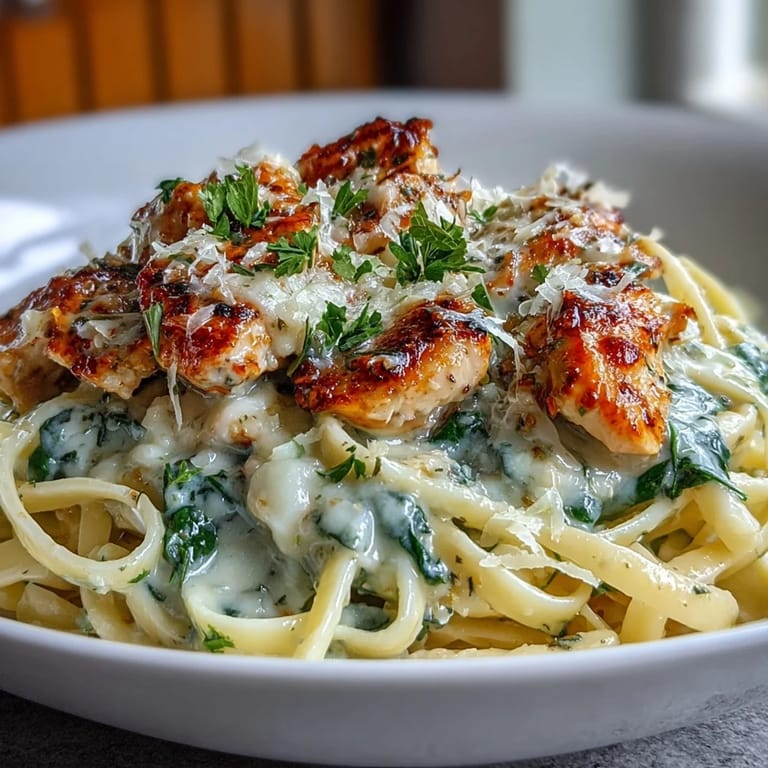 Save to Pinterest
 One evening, someone told me they'd been having the same thing for lunch all week because they couldn't stop making it. That kind of reaction—unplanned, genuine, and a little surprised at their own enthusiasm—is what makes a recipe feel like it belongs in the regular rotation.
The Lemon Is Everything
The brightness in this dish doesn't come from how much lemon you use, but from using both the zest and juice together. The zest gives you texture and little pops of flavor scattered throughout, while the juice cuts through the creaminess and keeps everything from tasting too rich. I've made versions where I skipped the zest, thinking the juice was enough, and they were fine—but adding that zest back made people ask for seconds without prompting.
Substitutions That Actually Work
If orzo isn't in your pantry, small pasta shapes like risoni, ditalini, or even small shells can step in without changing the soul of the dish. For dairy-free, leave out the milk and Parmesan entirely—the broth and lemon alone create enough flavor that you won't miss the creamy part. Frozen spinach works if fresh isn't available, though you'll want to squeeze it dry first so it doesn't water down your sauce.
When This Meal Becomes Something More
This is the kind of dish that turns a regular evening into something worth remembering, whether you're cooking for yourself after a long day or feeding people you care about. It tastes intentional without demanding precision, and it looks more complicated than it actually is—which somehow makes it even better.
- Pair it with a crisp white wine like Sauvignon Blanc or Pinot Grigio, which brightens everything further.
- A simple green salad on the side gives you a cool contrast and makes the meal feel complete.
- Serve it straight from the skillet if you're cooking for friends—there's something warm about that approach.
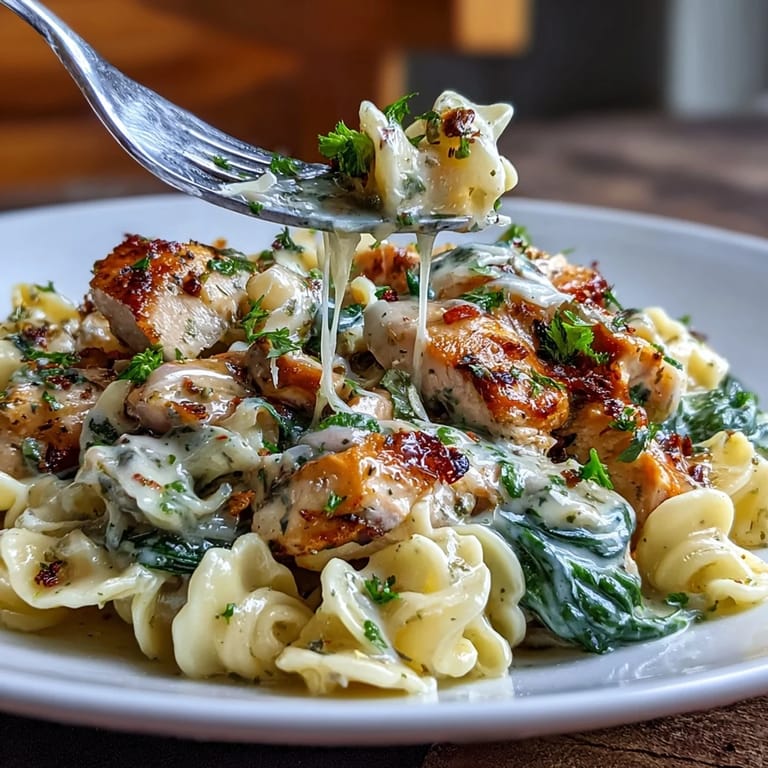 Save to Pinterest
 This recipe has become my answer to the question of what to make when you want something that tastes like you spent hours in the kitchen but actually took you less than an hour. That's the kind of small magic that keeps you cooking.
Recipe Frequently Asked Questions
- → What type of chicken works best?
Boneless, skinless chicken breasts or thighs cut into bite-sized pieces cook evenly and stay tender.
- → Can I substitute the orzo pasta?
Yes, small rice-shaped pasta like risoni can be used as an alternative for similar texture.
- → How can I enhance the lemon flavor?
Marinate the chicken in lemon juice and garlic before cooking to infuse more citrus brightness.
- → Is it possible to make this dairy-free?
Omit the milk and Parmesan or use plant-based alternatives for a dairy-free variation.
- → What wine pairs well with this dish?
A crisp Sauvignon Blanc or light Pinot Grigio complements the citrus and savory flavors nicely.