 Save to Pinterest
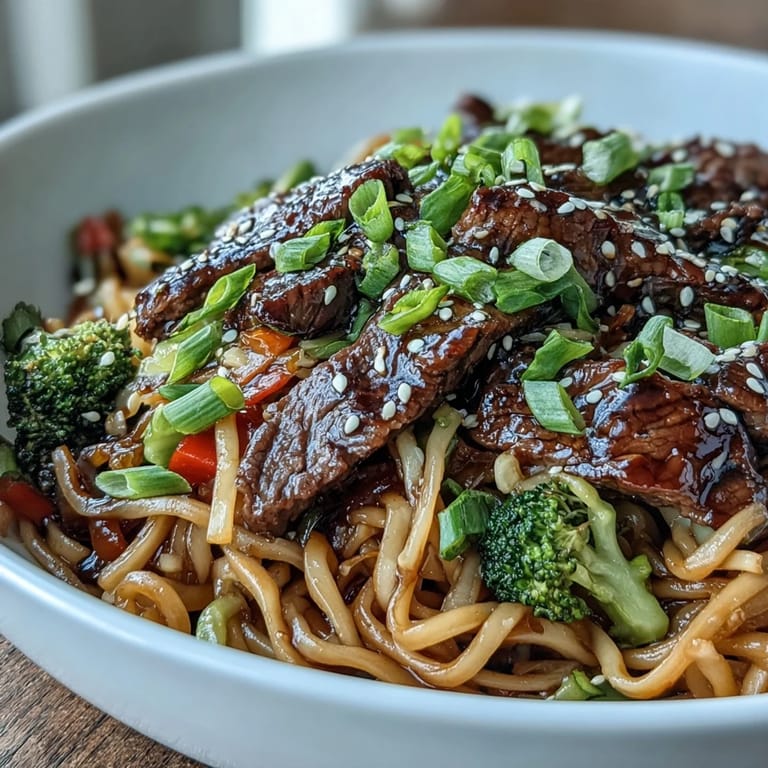
 My neighbor knocked on the door one Thursday evening holding a takeout container of noodles that smelled like heaven. She'd just come back from a Korean restaurant downtown and insisted I try what she called "the most addictive thing on the menu." I took one bite and spent the next week trying to recreate it in my own kitchen. After a few attempts that were either too salty or too bland, I finally nailed the balance of sweet, savory, and garlicky that made those noodles unforgettable. Now it's the dish I make when I want something comforting but exciting, and it never takes longer than a weeknight allows.
The first time I served this to my family, my brother asked if I'd ordered it from a restaurant. He couldn't believe something this flavorful came from our kitchen in under forty minutes. My mom kept going back for seconds, and my dad, who usually avoids anything remotely spicy, asked me to write down the recipe. That night, I realized this dish had earned a permanent spot in my rotation, not just because it tasted great, but because it made everyone gather around the table without any convincing.
Ingredients
- Rice noodles: These cook fast and soak up the sauce without getting mushy, but make sure to rinse them under cold water after draining so they don't clump together.
- Flank steak: Slicing it thinly against the grain is the secret to tender, melt-in-your-mouth beef that doesn't turn chewy.
- Broccoli florets: They add a satisfying crunch and soak up just enough sauce to taste savory without losing their bite.
- Bell pepper: Red or yellow peppers bring a touch of sweetness that balances the salty soy sauce beautifully.
- Carrot: Julienned carrots cook quickly and add a pop of color that makes the whole bowl look vibrant and inviting.
- Green onions: A fresh, sharp garnish that cuts through the richness and makes every bite feel bright.
- Garlic and ginger: These aromatics are the backbone of the dish, filling your kitchen with a smell that makes everyone ask when dinner will be ready.
- Soy sauce: Use low-sodium if you prefer to control the saltiness, or go full-strength if you love bold flavor.
- Brown sugar: It caramelizes slightly in the pan and gives the sauce a glossy, sticky sweetness.
- Sesame oil: Just a tablespoon transforms the sauce into something nutty and complex.
- Vegetable oil: High smoke point oil keeps everything from sticking and lets you get a good sear on the beef.
- Sesame seeds: A simple sprinkle adds texture and makes the dish look like it came from a restaurant.
Tired of Takeout? 🥡
Get 10 meals you can make faster than delivery arrives. Seriously.
One email. No spam. Unsubscribe anytime.
Instructions
- Prep the noodles:
- Cook the rice noodles according to the package directions, then drain and rinse them under cold water to stop the cooking. This keeps them from turning into a gummy mass later.
- Sear the beef:
- Heat vegetable oil in a large skillet or wok over medium-high heat until it shimmers. Add the thinly sliced flank steak and let it sit undisturbed for a minute before stirring, so it develops a nice golden crust in 2 to 3 minutes, then remove and set aside.
- Wake up the aromatics:
- Toss garlic and ginger into the same skillet and stir for about 30 seconds until the smell hits you like a warm hug. Don't let them burn or they'll taste bitter.
- Stir-fry the vegetables:
- Add broccoli, bell pepper, and carrot to the skillet and stir-fry for about 5 minutes until they're tender but still have a crisp snap. The edges should pick up a little char for extra flavor.
- Mix the sauce:
- While the vegetables cook, whisk together soy sauce, brown sugar, and sesame oil in a small bowl, stirring until the sugar dissolves completely. Taste it and adjust if you want it sweeter or saltier.
- Bring it all together:
- Return the beef to the skillet and pour the sauce over everything, stirring to coat each piece. The sauce should start to bubble and thicken slightly.
- Toss in the noodles:
- Add the cooked rice noodles and gently toss everything together with tongs until the noodles are evenly coated and heated through, about 2 minutes. Be gentle so the noodles don't break apart.
- Garnish and serve:
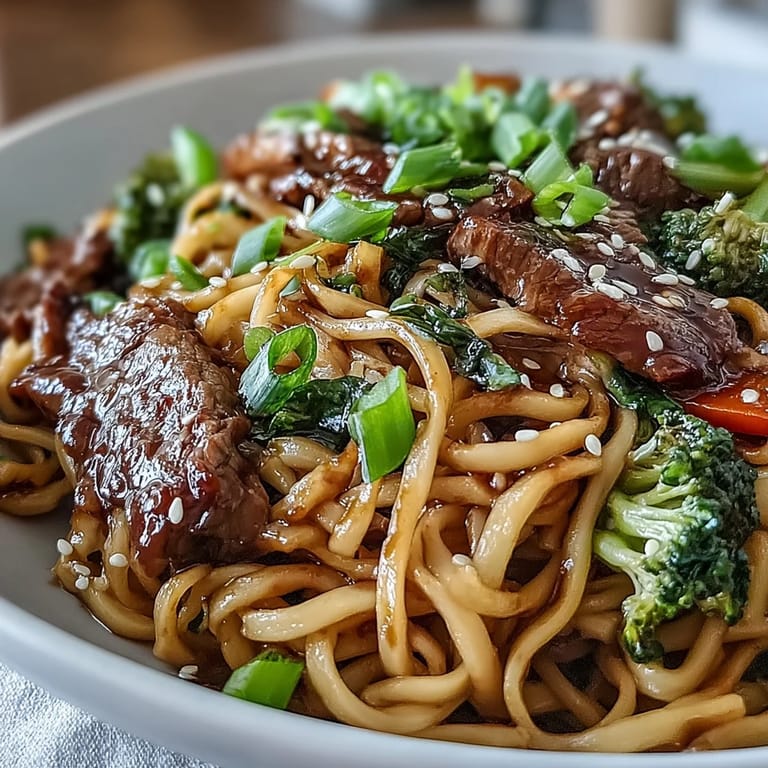
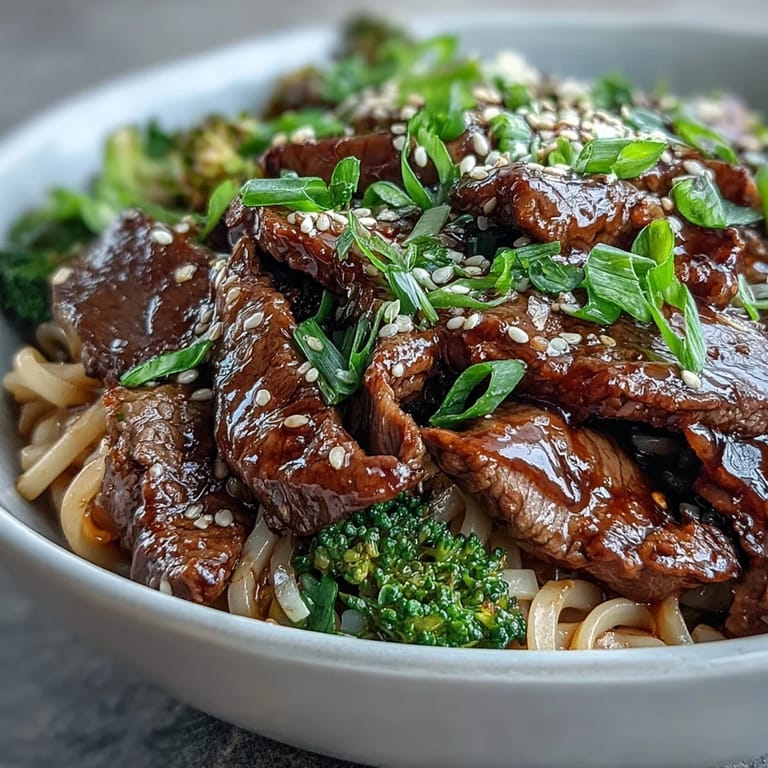
- Sprinkle chopped green onions and sesame seeds over the top before serving. The freshness of the onions and the crunch of the seeds make every bite feel complete.
 Save to Pinterest
 One rainy Saturday, I made a double batch of this and invited a few friends over without much planning. We sat on the floor with mismatched bowls, slurping noodles and laughing about nothing in particular. Someone said it felt like the kind of meal that makes you forget about everything else for a while. That's when I realized this dish wasn't just about the flavors, it was about the way it brought people together without any fuss or formality.
Make It Your Own
This recipe is forgiving and adaptable, so feel free to toss in snap peas, zucchini, or even mushrooms if that's what you have on hand. I've made it with chicken thighs when I didn't have beef, and it was just as satisfying. For a spicy version, stir a spoonful of gochujang or sriracha into the sauce and watch it transform into something with a serious kick. If you're vegetarian, swap the beef for firm tofu and press it well before cooking so it crisps up nicely in the skillet.
Storing and Reheating
Leftovers keep beautifully in an airtight container in the fridge for up to three days, and honestly, they taste even better the next day when the noodles have absorbed more of the sauce. To reheat, add a splash of water or broth to the skillet and warm everything over medium heat, tossing gently until heated through. The microwave works in a pinch, but the stovetop method keeps the vegetables from turning soggy and brings back that fresh-cooked texture.
Tools and Timing
A large skillet or wok is essential because you need enough surface area to sear the beef and stir-fry the vegetables without crowding them. I use a sharp chef's knife to slice the steak and julienne the carrot, and a sturdy pair of tongs makes tossing the noodles so much easier than a spatula. The whole process from start to finish takes about 35 minutes, but most of that is hands-on cooking, so it feels faster than it sounds.
- Prep everything before you start cooking so you're not scrambling mid-recipe.
- Use a wok if you have one, the high sides make tossing and stirring much easier.
- Taste the sauce before adding it to the skillet and adjust the sweetness or saltiness to your preference.
 Save to Pinterest
 This dish has become my answer to busy weeknights and lazy weekends alike, proof that you don't need hours or fancy ingredients to make something that feels special. I hope it fills your kitchen with the same warmth and good smells it brought to mine.
Recipe Frequently Asked Questions
- → What cut of beef works best?
Flank steak is ideal due to its rich flavor and ability to tenderize quickly when thinly sliced against the grain. Skirt steak or sirloin also work beautifully.
- → Can I prepare the noodles ahead?
Cook rice noodles just before tossing with the beef and vegetables. If prepared ahead, rinse with cold water to prevent sticking, then briefly reheat in the skillet.
- → How spicy is this dish?
The base version delivers mild heat from ginger and garlic. Add sriracha or gochujang to the sauce for fiery kick that balances the sweet soy glaze.
- → What vegetables can I substitute?
Snap peas, zucchini, shiitake mushrooms, or baby corn all complement the beef beautifully. Aim for colorful crisp vegetables that maintain texture during stir-frying.
- → Is the sauce gluten-free?
Use tamari instead of soy sauce and verify your rice noodles are certified gluten-free. The naturally dairy-free sauce becomes fully gluten-free with these simple swaps.