 Save to Pinterest
 The delicate hum of spring mornings often reminds me of the first pastel cake I ever made, when sunlight spilled across the kitchen and the air was scented with possibility. Not long after, I wandered into a local farmer's market and spotted bundles of edible flowers—suddenly, the idea of an ombre cake crowned with blooms felt inevitable. There's a certain joy in combining those gentle colors with floral touches, as if you're baking sunshine into every layer. Even the sound of the mixer drowning out rainy windowpanes took on a sense of celebration. And that first slice, cut with anticipation, seemed to carry all the excitement of a season waking up.
I remember assembling this cake for my friend Mia's garden birthday, laughter weaving through the kitchen as we debated which pastel shades looked best. When we carefully pressed violets onto the buttercream, she told me it felt like decorating with tiny, edible jewels. The curious glances from the kids, wondering if the flowers were truly for eating, added to the charm. In the end, everyone took photos before anyone dared cut into the cake. That moment turned spring baking into something almost magical.
Ingredients
- All-purpose flour: The base for a soft crumb; sifting helps avoid lumps and keeps layers light.
- Baking powder & baking soda: Essential for gentle lift—always double-check freshness for perfect rise.
- Unsalted butter: Room temperature butter blends smoothly and ensures a tender cake, so let it warm while you prep.
- Granulated sugar: Creaming sugar with butter traps air for fluffy layers; patience pays off here.
- Large eggs: Incorporate one at a time for structure; room temperature prevents curdling.
- Pure vanilla extract: Real vanilla adds warmth—skip the imitation for the best flavor.
- Whole milk: Room temperature milk integrates seamlessly; cold liquid can shock the batter.
- Gel food coloring: Use pastel gel colors to achieve vibrant hues without thinning batter; a little goes far.
- Powdered sugar: Sifted powdered sugar ensures creamy, lump-free buttercream.
- Edible flowers: Choose organic, verified edible blooms for beauty and safety.
Tired of Takeout? 🥡
Get 10 meals you can make faster than delivery arrives. Seriously.
One email. No spam. Unsubscribe anytime.
Instructions
- Prep Your Pans:
- Grease and line your cake pans, feeling the parchment crinkle as you fit it snugly—this step ensures easy release.
- Mix Dry Ingredients:
- Whisk flour, baking powder, baking soda, and salt together; the soft cloud of flour is always satisfying.
- Cream Butter & Sugar:
- Beat butter and sugar until pale and fluffy, listening for the steady hum of the mixer and watching the mixture lighten.
- Add Eggs & Vanilla:
- Drop eggs in one at a time, each addition vanishing smoothly, followed by a splash of vanilla that perfumes the bowl.
- Combine Wet and Dry:
- Alternately add flour and milk, mixing gently—don’t over-mix, just until the batter looks silky.
- Tint and Divide Batter:
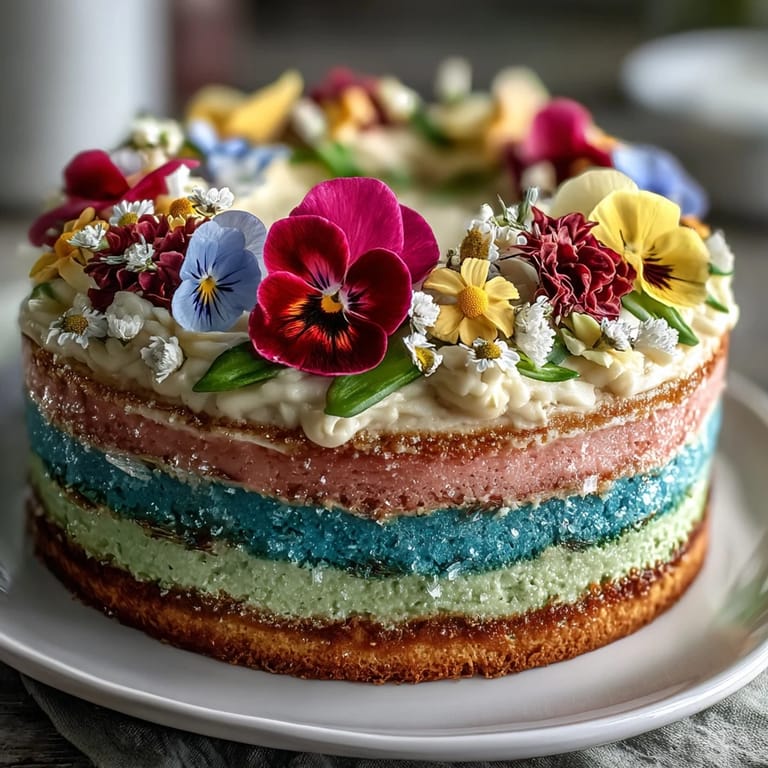
- Separate batter, stir in pastel gel coloring to create a gradient, and resist the urge to over-swirl for clean ombre layers.
- Bake the Layers:
- Pour each colored batter into pans, smoothing the tops; bake until the scent fills the kitchen and a tester comes out clean.
- Cool the Cakes:
- Let cakes cool in their pans briefly, then transfer to wire racks to finish cooling so they’re not heavy when frosted.
- Make Buttercream:
- Beat butter, gradually add powdered sugar, vanilla, and milk or cream—aim for airy, pastel-tinted frosting.
- Assemble and Frost:
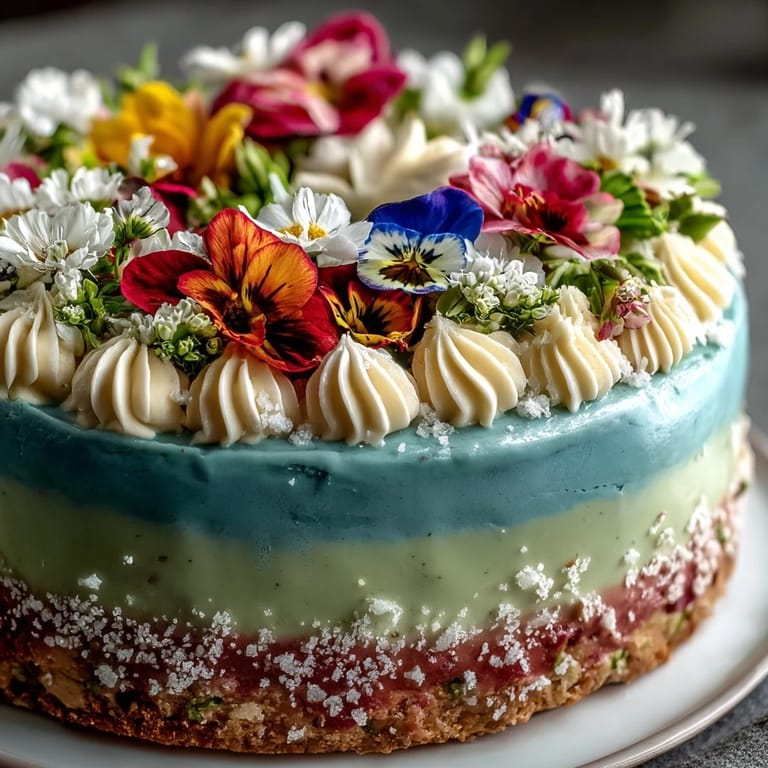
- Layer cakes with buttercream, apply a crumb coat, chill, then create the ombre effect by blending frosting shades.
- Decorate with Flowers:
- Arrange edible flowers gently on top for a stunning finish; it’s a masterpiece that invites admiration.
 Save to Pinterest
 One afternoon, after finishing the ombre frosting, my niece wandered through the kitchen and gasped when she saw the cake, calling it a "flower meadow on a plate." That simple, spontaneous joy reminded me why creating beautiful desserts often means more than just following a recipe.
Perfecting Ombre Layers
Getting smooth transitions between pastel layers takes a little finesse. I found that gently folding the gel coloring in, rather than stirring vigorously, preserves the batter’s texture and keeps each shade clean. If you accidentally mix too much, don’t stress—the marbling effect can look just as enchanting as a clean gradient. Using separate spatulas for each color avoids muddying hues. A kitchen scale helps ensure each layer is even, so your cake slices are symmetrical.
Buttercream That Behaves
Buttercream can sometimes fight you—especially in warmer kitchens. If it feels too soft, chill it for a few minutes, then beat again until it thickens. Starting with sifted powdered sugar guarantees a smooth finish without grit. I always keep a small bowl of milk or cream handy, adding just a splash at a time to loosen up the frosting as needed. Use an offset spatula for easier blending of colors and movement around the cake.
Choosing and Preparing Edible Flowers
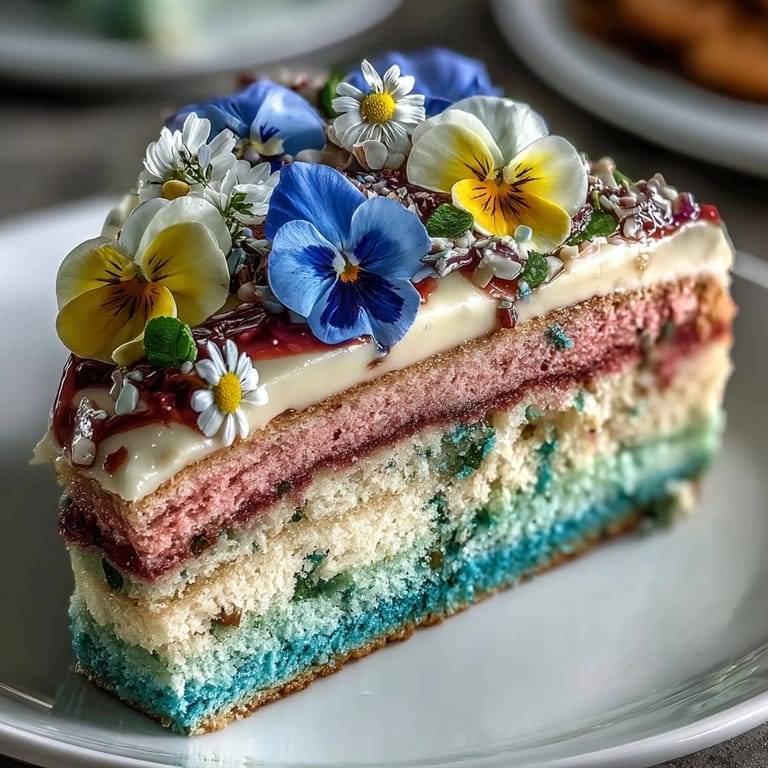
Not all flowers are safe for eating, so double-check with growers or reliable sources for organic, edible blooms. Gently wash and pat them dry—never soak them, as petals are delicate and can lose vibrancy. Small flowers like violas or chamomile are easy to arrange and look charming clustered together or scattered. Experiment by layering types, but avoid fragrant varieties that might overpower the cake’s flavor.
- If flowers wilt, pop them in the fridge to revive before decorating.
- Don’t decorate until just before serving, so petals stay fresh and bright.
- Keep extra blooms for guests to add to individual slices—it’s always a hit.
 Save to Pinterest
 When you share this ombre cake, you’re gifting spring’s gentle magic in slice form—let each layer be an invitation to celebrate. Bake with an open heart, and don’t worry about perfection—the joy is in the making and sharing.
Recipe Frequently Asked Questions
- → How do I achieve the ombre effect in cake layers?
Divide batter evenly and tint each portion with pastel gel colors, then bake in separate pans for gradient layers.
- → Can I use fresh flowers for the topper?
Only use organic, labeled edible flowers to ensure safety; avoid decorative inedible varieties.
- → How can I make this cake vegan?
Substitute plant-based butter, milk, and egg replacers for a vegan-friendly version.
- → What type of food coloring is best for pastel shades?
Gel food coloring provides vibrant, soft hues without thinning batters or frostings.
- → Any tips for frosting a smooth ombre finish?
Chill the cake after crumb coating; use tinted buttercream and an offset spatula to blend shades seamlessly.
- → What kitchen tools are needed?
Recommended tools include cake pans, mixer, spatulas, bowls, wire rack, and cake turntable for easy assembly.