 Save to Pinterest
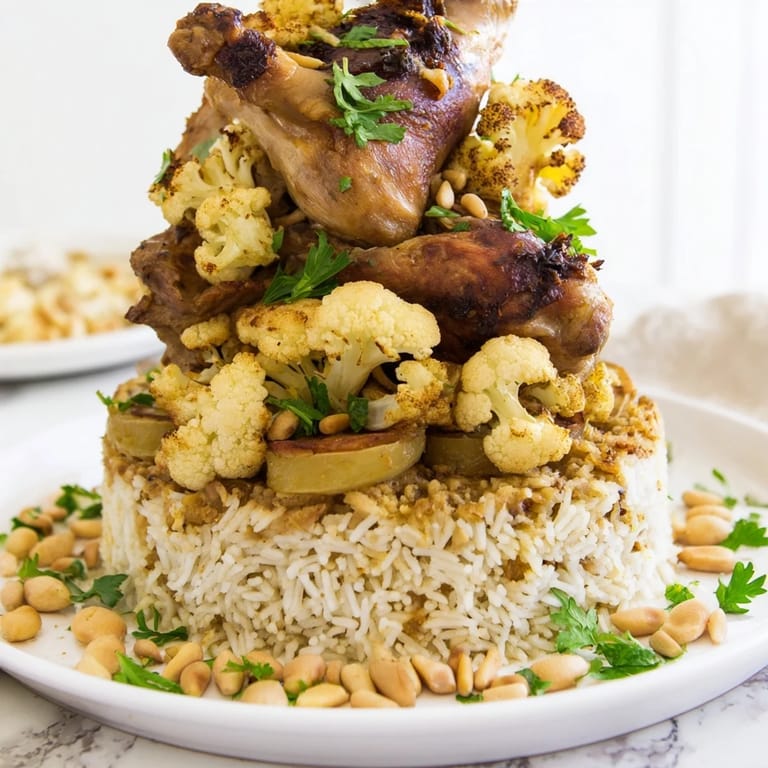
 The first time I watched maklouba being made, I was mesmerized by the deliberate layering—potatoes, chicken, cauliflower, rice—each ingredient finding its place like a edible architecture. My grandmother worked with such calm precision, pressing everything down gently, and then the moment that makes this dish unforgettable: the dramatic inversion onto a platter, revealing those caramelized potatoes on top like a golden crown. I'd never seen a dish built upside down before, and the theatricality of it stuck with me long after the flavors faded.
I made this for a dinner party once, nervous about the inversion step in front of guests, but the moment that platter came away and revealed the perfectly pressed layers, everyone leaned forward at the same time. That synchronized gasp made me understand why this dish has been passed down through generations—it's equal parts delicious and ceremonial, a dish that asks you to trust the process and rewards that trust beautifully.
Ingredients
- Bone-in chicken pieces (1.2 kg): The bones release flavor and keep the meat tender as everything steams together; I learned this matters more than using breast meat, which can dry out.
- Basmati rice (2 cups): Soaking it with salt prevents the grains from sticking and seasons them from within—this step changed everything for me.
- Cauliflower and potatoes: These fry until golden and crispy, creating texture that contrasts beautifully with the soft rice and tender chicken.
- Onion (1 large): Sautéed first to build a flavor base, it dissolves into the broth and becomes the invisible backbone of the whole dish.
- Spice blend (cumin, coriander, cinnamon, turmeric, allspice, cardamom): This combination is what makes maklouba unmistakably Palestinian; toast them briefly in the oil so they bloom and perfume everything that follows.
- Chicken stock (5 cups): Use good broth or water—it's the liquid that binds everything together and carries all those spices into the rice.
- Pine nuts or almonds (toasted): A scattering at the end adds warmth and a subtle crunch that brings elegance to the final dish.
Tired of Takeout? 🥡
Get 10 meals you can make faster than delivery arrives. Seriously.
One email. No spam. Unsubscribe anytime.
Instructions
- Prepare the rice foundation:
- Rinse the rice under cold water until the water runs clear, then soak it with salt for 30 minutes—this makes the grains separate beautifully when cooked. Drain well before layering.
- Build flavor with the chicken:
- Heat olive oil in a large pot and brown the seasoned chicken on all sides until it's golden, then remove it. The browned bits clinging to the pot are liquid gold; don't wash them away. Sauté the sliced onion until soft and translucent, then add all your spices and toast them for a minute so their fragrance rises up and fills your kitchen.
- Simmer the chicken in spiced broth:
- Return the chicken to the pot with the broth, bring it to a boil, then reduce the heat and let it simmer gently for 20 minutes. The chicken will cook partially, enough to infuse the broth with its richness, and you'll have a fragrant cooking liquid that's ready to carry all those spices into the rice.
- Fry the vegetables until golden:
- While the chicken simmers, heat vegetable oil in a deep pan and fry the cauliflower florets and potato slices in batches until they're deeply golden and crispy. This is where the dish gets its textural contrast, so don't rush it or crowd the pan; give each piece room to fry properly.
- Layer with intention:
- In a large heavy-bottomed pot, create your layers from bottom to top: potatoes first (these become the beautiful crown when inverted), then the chicken pieces, then the cauliflower, and finally the drained rice on top. Press everything down gently as you go; you want the layers to stay defined but compact.
- Add liquid and cook covered:
- Pour the reserved broth over the rice until it's just covered (about 4 to 5 cups), then place the pot over medium heat. Once you see the liquid bubbling at the edges, reduce the heat to low, cover tightly, and let it cook undisturbed for 35 to 40 minutes. The waiting is part of the magic; resisting the urge to peek builds anticipation.
- Rest before the reveal:
- Turn off the heat and let the pot rest, covered, for 10 to 15 minutes. This allows the rice to absorb the last of the liquid and the layers to set just enough so they'll hold their shape when inverted.
- Invert with confidence:
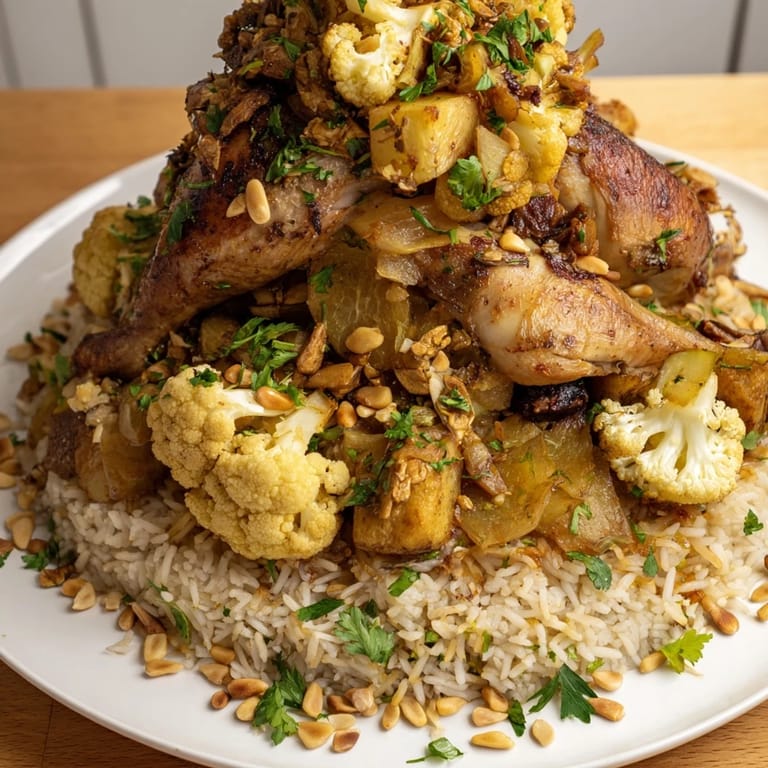
- Remove the lid and place a large serving platter over the pot. Take a breath, then invert quickly and carefully, letting gravity do the work. Gently lift away the pot and you'll see those caramelized potatoes on top, golden and crispy, a reward for your patience.
 Save to Pinterest
 There's a moment when you lift the pot away and see the dish fully formed for the first time, all those hidden layers revealed—it feels like you've accomplished something real. That's when you understand maklouba isn't just food; it's an experience made edible.
Why This Dish Is Built Upside Down
The upside-down cooking method isn't just theatrical—it's practical and purposeful. By placing the potatoes on the bottom and the rice on top, the starches absorb the flavorful broth that naturally flows downward, while the potatoes fry slightly against the bottom of the hot pot, creating that crispy, caramelized layer that becomes the stunning crowning layer when inverted. It's a technique born from generations of cooks who understood how heat, gravity, and layering could transform simple ingredients into something transcendent.
Variations and Personal Touches
I've made this dish a hundred different ways depending on what I have on hand and who I'm cooking for. Some days I add layers of thinly sliced eggplant or carrots alongside the cauliflower for color and sweetness. For vegetarian versions, I skip the chicken entirely and use vegetable broth, letting the spices and crispy vegetables be the star. A pinch of saffron stirred into the broth once elevated a regular dinner into something special, though that's truly optional and comes down to what feels right for your table.
Serving and Sides
Maklouba stands beautifully on its own, but I've learned it's even better when served alongside cooling yogurt or a crisp Arabic salad with fresh tomatoes, cucumbers, and lemon. The cool, tangy sides cut through the richness of the rice and fried vegetables, and something about that contrast makes the whole meal feel balanced and complete.
- A spoonful of thick yogurt alongside each plate cools your palate and complements the warm spices.
- Fresh herbs like parsley scattered on top add brightness and a slight peppery note.
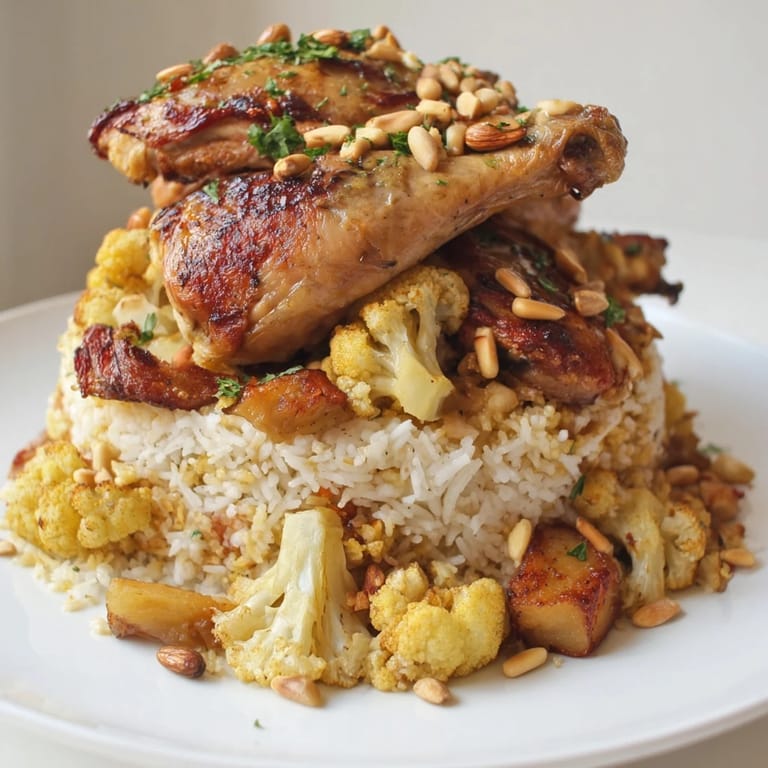
- If you have guests, the toasted pine nuts or almonds are worth the extra step—they add elegance and texture that people notice and remember.
 Save to Pinterest
 This dish has a way of turning an ordinary dinner into a moment people talk about long after the meal ends. Make it with confidence and let the layers speak for themselves.
Recipe Frequently Asked Questions
- → What ingredients give Maklouba its signature flavor?
The distinct flavor comes from a blend of warm spices including cumin, coriander, cinnamon, turmeric, allspice, and cardamom, combined with chicken broth and fried vegetables.
- → How is the layering done in this dish?
Potatoes form the base, followed by browned chicken pieces, then fried cauliflower, and finally soaked rice on top before adding broth and cooking.
- → Can Maklouba be made vegetarian?
Yes, by omitting chicken and using vegetable broth, along with added vegetables like eggplant or carrots for variation.
- → What is the best way to cook the rice for this dish?
The rice should be rinsed and soaked in salted cold water for 30 minutes, then drained before layering and cooking in broth with the other ingredients.
- → How do you serve Maklouba traditionally?
Once cooked, the pot is carefully inverted onto a large platter to reveal the layered ingredients, optionally garnished with toasted nuts and fresh parsley.
- → Are there any common allergens to consider?
The dish may contain tree nuts like pine nuts or almonds if used as garnish; check broth ingredients for gluten content if allergies are a concern.