 Save to Pinterest
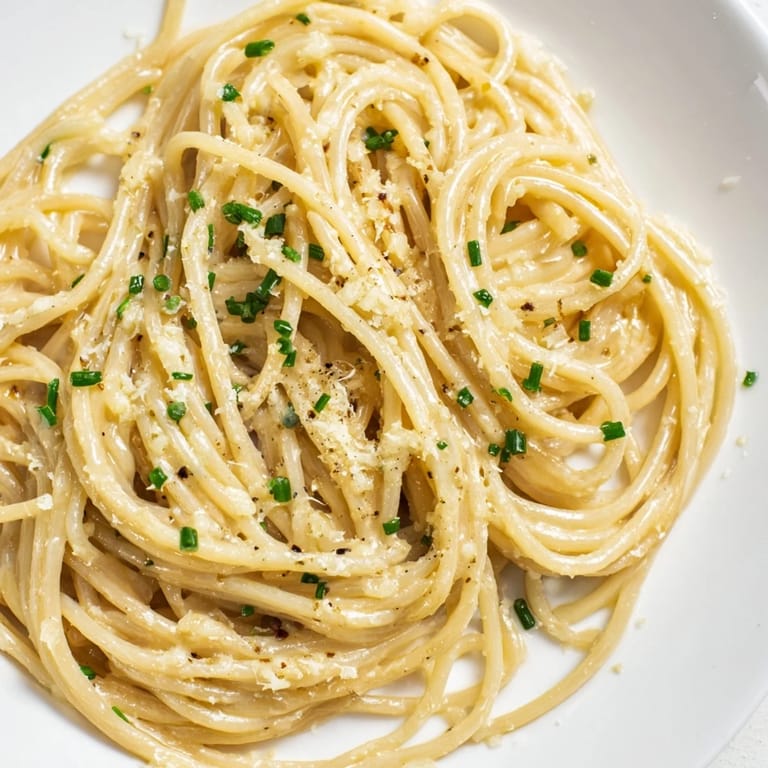
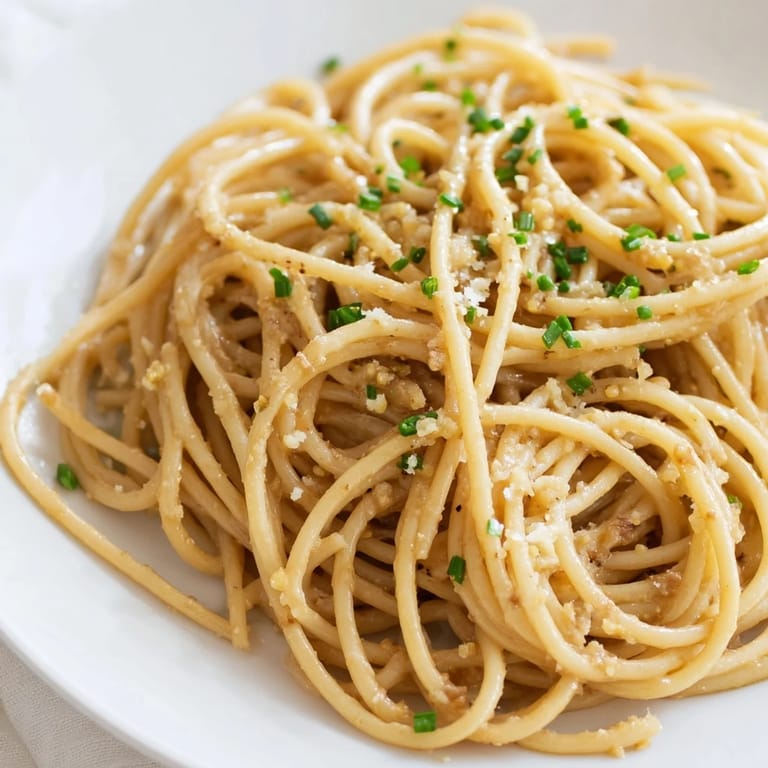
 The first time I made this miso butter pasta, I stood in my tiny kitchen at midnight, exhausted but craving something substantial. I had half a container of white miso from a failed soup attempt and butter softening on the counter. The way that salty, funky miso melted into creaminess against the hot noodles felt like discovering a secret language between Italian and Japanese cooking. Now it is the recipe I turn to when I need comfort but want to feel like I have created something special.
I served this to my sister once when she was going through a rough patch at work. She took one bite, went quiet, and then looked up with wide eyes asking what I had done to the pasta. We sat at my chipped kitchen table until the bowl was empty, talking about how the simplest meals often become the ones we remember most. She texted me the next day saying she had made it for herself and it was just as good.
Ingredients
- 350 g (12 oz) spaghetti or linguine: Long strands catch the silky sauce perfectly, though fettuccine works if that is what you have
- Salt: Generously salt the pasta water until it tastes like the sea, this is your only chance to season the noodles themselves
- 60 g (4 tbsp) unsalted butter, softened: Room temperature butter blends seamlessly with miso, creating a smooth emulsion rather than separated greasy pools
- 2 tbsp white miso paste: White miso has a milder, sweeter profile than red or yellow miso, making it ideal for creamy sauces
- 2 tbsp extra-virgin olive oil: Prevents the butter from burning and adds a grassy, fruity backbone
- 4 garlic cloves, finely minced: Freshly minced garlic releases more oils and flavor than pre-minced or jarred versions
- 1 tsp freshly ground black pepper: The warm spice cuts through the richness and wakes up the palate
- 1/4 tsp red pepper flakes (optional): Just a hint of heat lingers at the end, making each bite more interesting than the last
- 40 g (1/2 cup) grated Parmesan cheese: Use freshly grated cheese for the best melt, pre-grated cheese often has anti-caking agents that make sauce grainy
- 2 tbsp chopped fresh chives or scallions: Their mild onion flavor and pop of green color make the dish look and taste finished
- Lemon wedges, to serve: A squeeze of bright acid cuts through the butter and makes all the flavors sing louder
Tired of Takeout? 🥡
Get 10 meals you can make faster than delivery arrives. Seriously.
One email. No spam. Unsubscribe anytime.
Instructions
- Boil your pasta water:
- Bring a large pot of water to a rolling boil and add salt until it tastes seasoned, then cook pasta until al dente and reserve one cup of the starchy cooking water before draining.
- Make the miso butter:
- Mash softened butter and miso paste in a small bowl until completely smooth and no white miso streaks remain.
- Build the flavor base:
- Warm olive oil in a large skillet over medium heat and sauté minced garlic for one to two minutes until fragrant and pale gold, watching carefully so it does not brown or turn bitter.
- Melt in the magic:
- Reduce heat to low and stir in the miso butter mixture, letting it melt slowly into a glossy emulsion.
- Coat the noodles:
- Add drained pasta to the skillet and toss vigorously, adding splashes of reserved pasta water until the sauce clings silkily to each strand.
- Season and finish:
- Stir in black pepper and red pepper flakes if using, then remove from heat and toss with grated Parmesan until melted and creamy.
- Plate with love:
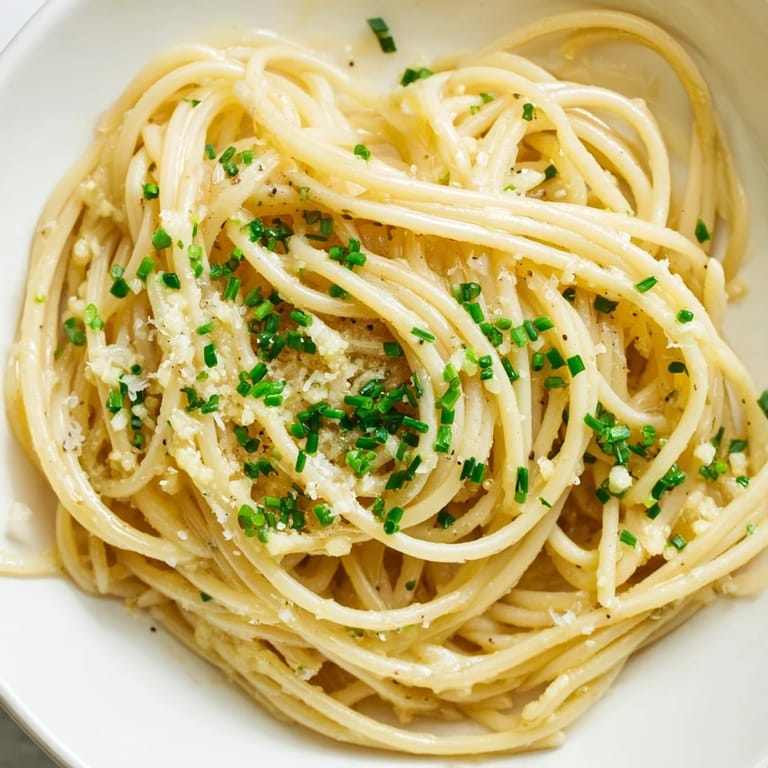
- Divide among bowls, scatter with fresh chives or scallions, and serve with lemon wedges for squeezing at the table.
 Save to Pinterest
 This pasta has become my answer to the question what should I make when I want to impress someone but I am tired. There is something about the combination of familiar comfort food and unexpected umami that makes people lean in and ask what is in this. It is the kind of recipe that feels like a secret weapon in your back pocket.
Make It Your Own
The miso butter base is incredibly forgiving and adaptable. I have added sautéed mushrooms when I needed something earthy, and wilted spinach works beautifully when I want to pretend I am being healthy. The sauce clings to roasted vegetables just as well as pasta, so do not be afraid to experiment with what you have on hand.
Scaling For Crowds
When I cook this for more than four people, I make the miso butter in a larger batch and keep it warm over the lowest possible heat. The key is working quickly once the pasta hits the skillet, so have your serving bowls ready and your garnishes prepped. Cold pasta with congealed miso butter is a sad thing, and this dish deserves to be eaten while steam still rises from the bowl.
Storage And Reheating
This pasta is best eaten immediately, but leftovers reheat surprisingly well with a splash of water and gentle warming in a skillet. The microwave will make the sauce separate and turn grainy, so take the extra two minutes to use the stove. Sometimes I even fry leftover pasta in a little butter until crispy edges form, which transforms it into something entirely new and dangerously good.
- Keep the miso butter separate if you want to meal prep this for the week
- A drizzle of sesame oil over leftovers adds a nice nutty dimension
- Never refrigerate leftover pasta without tossing it with a little oil first to prevent sticking
 Save to Pinterest
 Some recipes are about technique, but this one is about trust. Trust that miso and butter belong together, trust that salty and rich can coexist in perfect balance. Once you taste it, you will understand why this simple combination has become one of my most cooked, most shared, and most loved recipes.
Recipe Frequently Asked Questions
- → What type of pasta works best for this dish?
Spaghetti or linguine are ideal as their shape allows the miso butter sauce to cling nicely.
- → Can I make this dish vegan-friendly?
Yes, substitute butter with plant-based alternatives and use nutritional yeast instead of Parmesan.
- → How do I achieve a silky sauce consistency?
Adding reserved pasta water gradually helps to emulsify the miso butter sauce, creating a smooth coating on the noodles.
- → What additional vegetables can complement this pasta?
Sautéed mushrooms, wilted spinach, or steamed broccoli add texture and freshness without overpowering the flavors.
- → Is it possible to add protein to this dish?
Adding a poached or soft-boiled egg on top enriches the dish with extra protein and a creamy element.