 Save to Pinterest
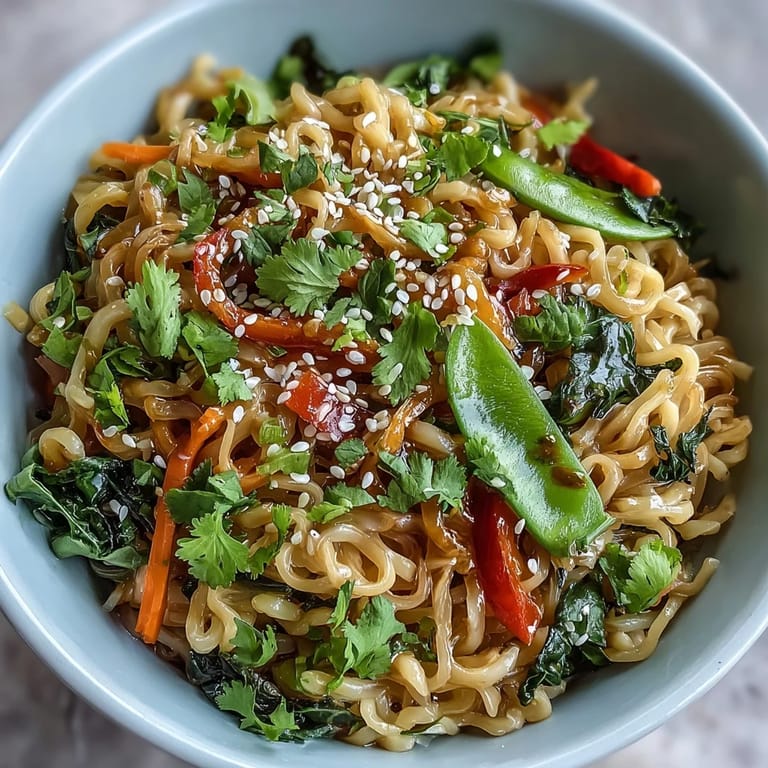
 I discovered shirataki noodles during a particularly ambitious week when I was trying to cut carbs but couldn't bear the thought of giving up noodle bowls. A friend swore by them, and after my first attempt—which admittedly felt a bit rubbery until I learned the boiling trick—I was completely won over. Now this bowl has become my go-to when I want something that feels indulgent but leaves me energized instead of sluggish.
Last summer, I made this for a friend who was nervous about trying shirataki noodles for the first time, convinced they'd taste like nothing but regret. Watching her eyes light up after that first bite—when she realized the sauce did all the heavy lifting—was genuinely one of my favorite kitchen moments. She's now made it at least a dozen times and credits it with getting her through her own low-carb phase.
Ingredients
- Shirataki noodles (400 g, drained and rinsed): These translucent strands are made from konjac root and have almost zero carbs, which is the whole appeal. The key is rinsing them thoroughly to remove any funky smell, then boiling for exactly 2 minutes—this firms them up and makes them actually pleasant to eat.
- Bok choy (1 cup, sliced): It wilts beautifully under heat and soaks up sauce like a dream, plus it adds a subtle mineral sweetness that balances the spice.
- Red bell pepper (1/2, thinly sliced): Raw or barely cooked peppers stay crisp and add color and a subtle sweetness that rounds out the ginger bite.
- Snow peas (1/2 cup, trimmed): They stay snappy when you don't overcook them and add a fresh, delicate crunch that keeps each bite interesting.
- Carrot (1 medium, julienned): Thin matchsticks cook through quickly while keeping their natural sweetness, plus they look beautiful in the bowl.
- Green onions (2, thinly sliced): Most go in at the end for brightness, and you can reserve some for garnish to add a fresh, oniony snap.
- Tamari or gluten-free soy sauce (2 tbsp): This is your umami backbone; tamari is naturally gluten-free if that matters to you.
- Rice vinegar (1 tbsp): It cuts through the richness of the sesame oil and wakes up every other flavor in the sauce.
- Toasted sesame oil (1 tbsp): This is not a place to skimp—cheap sesame oil tastes flat and bitter, but the good stuff is worth every penny and makes the whole bowl sing.
- Fresh ginger (1 tbsp, finely grated): Use a microplane and grate it right over the bowl; the aroma alone is half the experience.
- Garlic clove (1, minced): One clove is plenty—you want ginger to be the star, not garlic overpowering everything.
- Maple syrup (1 tsp, optional): A tiny touch rounds out the sauce's edges without making it sweet, but you can skip it if you prefer sharper flavors.
- Chili flakes (1/2 tsp, optional): Start with less than you think you need; you can always sprinkle more on your own bowl at the table.
- Toasted sesame seeds (1 tbsp) and fresh cilantro or basil: These finish the bowl with texture and brightness, making it feel like something special rather than just healthy.
Tired of Takeout? 🥡
Get 10 meals you can make faster than delivery arrives. Seriously.
One email. No spam. Unsubscribe anytime.
Instructions
- Rescue the shirataki:
- Drain your noodles and rinse them under cold water for a full minute—this removes the packaging liquid that smells vaguely off. Boil them in plain water for exactly 2 minutes, then drain and pat them dry with paper towels until they're not slippery; this step transforms them from weird to actually pleasant.
- Build your sauce:
- In a small bowl, whisk together tamari, rice vinegar, sesame oil, ginger, garlic, maple syrup, and chili flakes until the ginger is evenly distributed. Taste it straight from the spoon—it should make your mouth water a little, bright and gingery with a warm edge from the sesame and heat.
- Wake up the vegetables:
- Set your skillet or wok to medium-high heat and let it get properly hot; you'll know it's ready when a drop of water sizzles immediately. Add carrot, bell pepper, and snow peas and stir-fry for 2 to 3 minutes, moving them around constantly so they cook evenly and stay crisp rather than turning mushy.
- Finish the vegetables:
- Toss in the bok choy and most of the green onions (save a tiny bit for the top), stirring for another 1 to 2 minutes until the bok choy just starts to soften but still has character. The whole kitchen should smell incredible right now.
- Bring it all together:
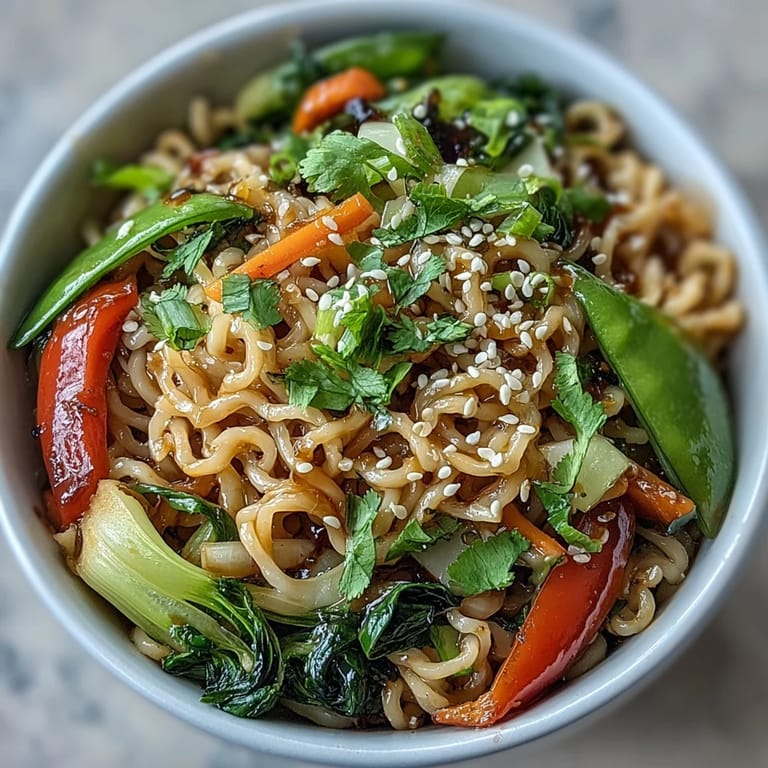
- Add your drained noodles and pour the sauce over everything, then toss vigorously for 2 to 3 minutes until the noodles are heated through, coated in sauce, and the vegetables are crisp-tender. The sauce should cling to the noodles and glisten under the kitchen light.
- Finish and serve:
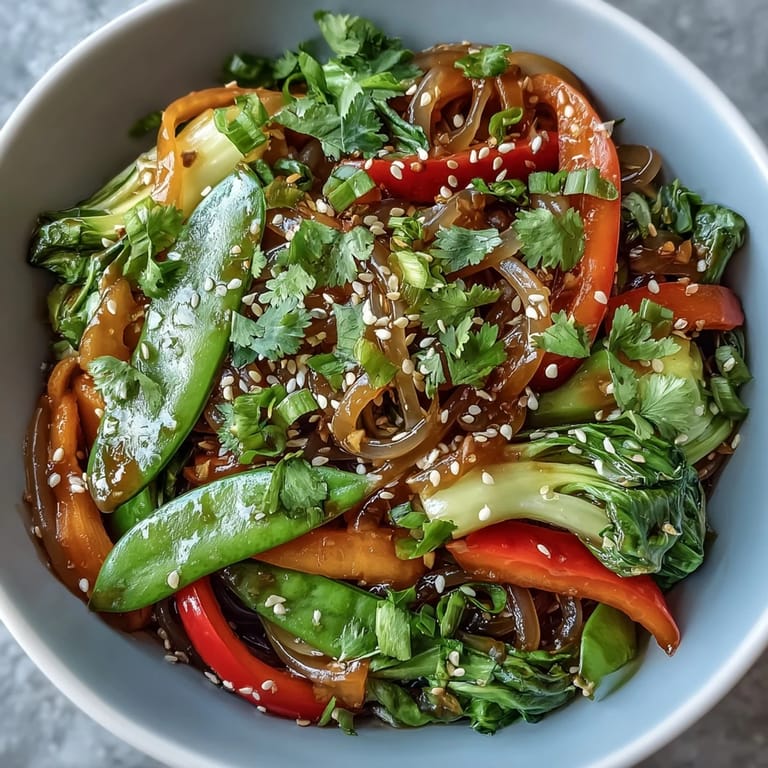
- Divide between bowls and top each with sesame seeds, reserved green onions, and cilantro or basil if you're using it. Serve immediately while everything is still warm and the vegetables are at their crispest.
 Save to Pinterest
 There's something about eating something this good for you that doesn't feel like deprivation. Every time I finish a bowl, I feel satisfied rather than restricted, which is exactly when a healthy recipe stops being a chore and becomes something you actually crave.
Why Shirataki Noodles Are Worth Learning
Shirataki noodles intimidated me until I realized they're basically a blank canvas for sauce and texture, which is actually their superpower. Once you nail the prep work—that rinse and boil—they absorb whatever flavor you're throwing at them, making them incredibly versatile. I've used them in Asian bowls, tossed them with tomato sauce, even attempted pad thai, and each time they perform beautifully when the sauce is good enough.
The Power of a Great Ginger Sauce
This sauce changed how I think about building flavor in quick meals. The combination of ginger, garlic, sesame oil, and rice vinegar creates this bright, warm complexity that makes simple vegetables taste fancy, and the same ratio works for stir-fried tofu, grilled fish, or roasted vegetables. I've started making a double batch just to keep in the fridge because it somehow makes everything taste better than it has any right to.
Mix and Match Your Vegetables
This bowl is intentionally flexible because a recipe that works only with specific vegetables is a recipe that sits forgotten in your rotation. Broccoli is beautiful here, mushrooms add earthiness, snap peas bring sweetness, and if you have cabbage on hand, thin-sliced it becomes silky and delicious. Think of the vegetables as your palette and the sauce as the unifying force that makes everything work together harmoniously.
- Keep your cuts consistent so everything cooks at the same rate and looks intentional in the bowl.
- Add proteins like grilled tofu, tempeh, or shrimp to turn this into a complete meal rather than a side.
- A squeeze of lime at the table brightens everything and feels like an upgrade you're treating yourself to.
 Save to Pinterest
 This bowl proved to me that eating well doesn't mean eating boring, and that's been genuinely life-changing. Once you taste how good vegetables can be with the right sauce, you'll find yourself craving them instead of fighting through them.
Recipe Frequently Asked Questions
- → Do shirataki noodles taste like regular pasta?
Shirataki have a neutral, slightly gelatinous texture and absorb flavors beautifully. Unlike wheat pasta, they don't have their own strong taste—they take on the character of your sauce and seasonings.
- → Why are the noodles boiled before stir-frying?
Pre-boiling for 2 minutes removes any natural aroma and improves the texture. Patting them dry afterward helps the sauce cling better instead of sliding off.
- → Can I use regular soy sauce instead of tamari?
Absolutely—regular soy sauce works perfectly. Tamari is simply a gluten-free alternative with a slightly deeper flavor profile.
- → What vegetables substitute well in this bowl?
Broccoli florets, sliced mushrooms, snap peas, bean sprouts, or shredded cabbage all work beautifully. The key is maintaining roughly equal portions for balanced texture and color.
- → How long do leftovers stay fresh?
This bowl keeps well refrigerated for 2–3 days. The vegetables may soften slightly, but flavors continue developing. Reheat gently in a skillet or enjoy chilled.
- → Is this suitable for meal prep?
Yes—store components separately and combine when ready to eat. The sauce can be whisked together days ahead, and vegetables can be prepped in advance for quick assembly.