 Save to Pinterest
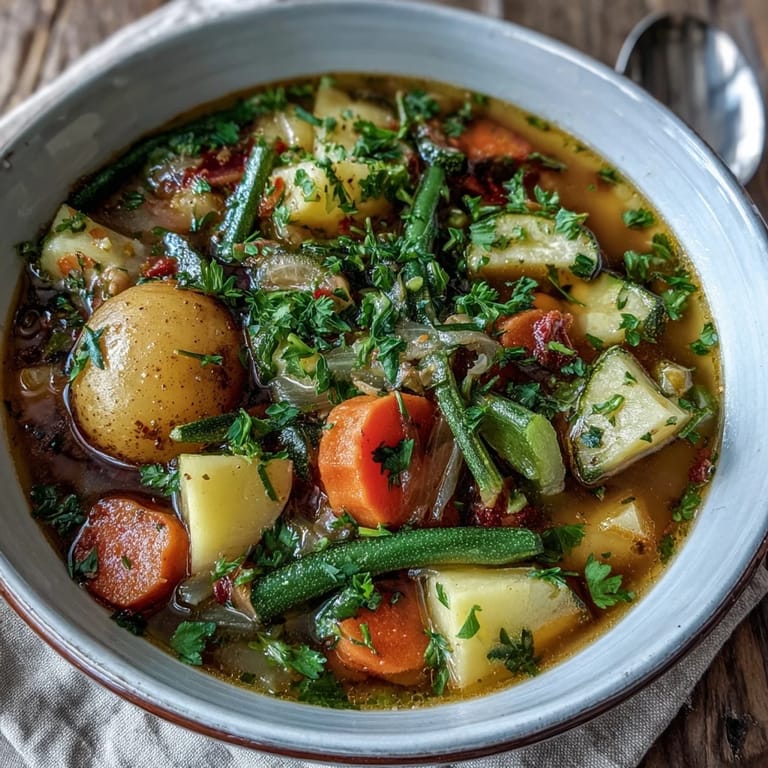
 There's something about a pot of vegetable soup that stops time in a kitchen. My neighbor brought over a steaming bowl one October afternoon when I was swamped with moving boxes, and I remember sitting on the floor of my half-unpacked kitchen, spoon in hand, feeling like everything would be okay. That soup tasted like someone understood exactly what I needed without asking. Now I make this version whenever someone needs feeding or when I need to feed myself back to earth.
I made this soup last winter for a friend who'd just gotten out of the hospital, and watching him ask for seconds told me everything. His daughter called the next day asking if I could teach her the recipe, which meant something deeper than just wanting to know the steps. Cooking for people you care about is its own kind of medicine.
Ingredients
- 3 medium potatoes, peeled and diced: These are your soup's backbone, turning creamy as they break down and thickening everything naturally without cream.
- 2 medium carrots, peeled and sliced: The natural sweetness that balances the earthiness of everything else, plus that slight snap when you bite.
- 2 celery stalks, diced: The quiet foundation that teaches you that vegetables don't need to be loud to matter.
- 1 medium onion, chopped: Start here, always here, the onion is where flavor actually lives.
- 1 zucchini, diced: Soft and gentle, it disappears into the broth if you let it, adding body without demanding attention.
- 1 cup green beans, cut into 1-inch pieces: These keep their color and crunch if you don't overcook, a small rebellion against mushiness.
- 2 cloves garlic, minced: Added after the softer vegetables so it stays bright and present, not bitter and burnt.
- 6 cups vegetable stock: The soul of this soup, so choose one that tastes like something real.
- 1 bay leaf: One single leaf, not more, or it'll dominate like someone talking too loud at dinner.
- 1 teaspoon dried thyme and 1 teaspoon dried parsley: Herbs that whisper rather than shout, warming everything from inside.
- ½ teaspoon ground black pepper and 1 teaspoon salt: Season as you go, tasting as you build, because every pot is different.
- 2 tablespoons olive oil: Good enough to taste but not so fancy you're afraid to use it generously.
- 1 cup frozen peas: Added at the very end so they stay bright green and remembering what peas taste like before they were babies.
- Fresh parsley, chopped, for garnish: Optional but worth it, a green whisper on top that says someone cared.
Tired of Takeout? 🥡
Get 10 meals you can make faster than delivery arrives. Seriously.
One email. No spam. Unsubscribe anytime.
Instructions
- Heat your oil and start the softer vegetables:
- Pour olive oil into a large pot and let it warm over medium heat until it shimmers slightly. Add your chopped onion, carrots, and celery together, and listen for that gentle sizzle that means everything is happening.
- Build the aromatics:
- After about 5 minutes when the vegetables have softened at their edges, add your minced garlic and let it perfume the whole kitchen for just about 1 minute. Don't let it brown or it'll turn bitter and regretful.
- Layer in the sturdy vegetables:
- Now add your diced potatoes, green beans, and zucchini, stirring everything together for a couple minutes so each piece gets kissed by the oil and heat.
- Pour in the broth and seasonings:
- Add all 6 cups of vegetable stock at once, then drop in your bay leaf and sprinkle in the thyme, parsley, salt, and pepper. Stir it all together so the seasonings dissolve and find their way through.
- Bring to a boil, then settle into a simmer:
- Let it come to a rolling boil first, then turn the heat down, cover the pot, and let it bubble gently for 20 to 25 minutes until the potatoes are tender enough to break with a spoon. The vegetables will soften and release their goodness into the broth.
- Finish with brightness:
- Stir in your frozen peas and let them warm through for just 2 or 3 minutes. Fish out the bay leaf before serving, then ladle into bowls and scatter fresh parsley on top if you want.
 Save to Pinterest
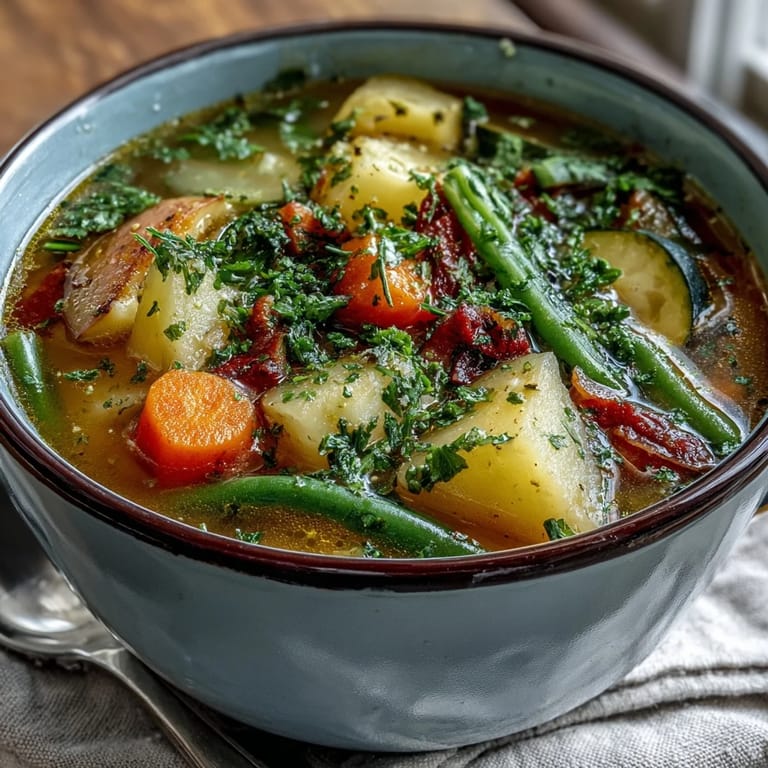
 My daughter once told me this soup tastes like the kind of thing a grandmother makes, and she meant it as a compliment even though I'm neither old nor anyone's grandmother. She was tasting something that goes beyond ingredients, the invisible thing that happens when you cook with intention instead of just following orders.
When Vegetables Matter More Than You Think
The quality of your stock matters here more than in any other recipe I make. A thin, sad stock will produce a thin, sad soup no matter how perfect your vegetables are, so choose one that actually tastes like something when you sip it plain. I learned this the hard way by making a batch with chicken stock that tasted like salt and regret, then redoing it with a good vegetable stock and understanding that sometimes the invisible ingredients matter most.
Seasonal Improvisation
This recipe is a foundation, not a prison, and the best part is how it changes with the seasons without losing its soul. In summer I add corn and fresh spinach at the end, in fall I swap in diced sweet potatoes and kale, and in spring I add peas earlier and fresh herbs like basil. The soup adapts because the heart of it is strong enough to hold whatever vegetables you need to use.
Making It Your Own
Once you understand how this soup works, you can play with it like an instrument you know well. A splash of cream stirred in at the end creates a different kind of comfort, grated cheese melts in like a secret, and a squeeze of lemon juice at the very end wakes everything up if the soup feels heavy. The recipe is solid, but it's also generous enough to accept your experiments and ideas without falling apart.
- Fresh herbs like basil or dill stirred in at the end make it taste like you know something the rest of us don't.
- A pinch of red pepper flakes adds heat without loudness, perfect if you like your comfort with a little edge.
- Serve it with crusty bread, because the soup deserves something to soak into and hold it.
 Save to Pinterest
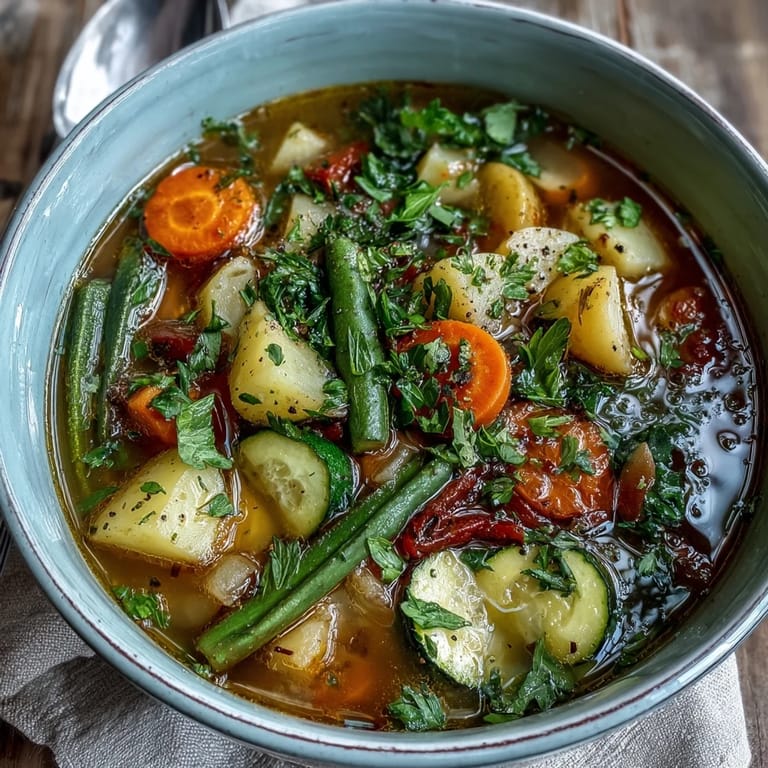
 This soup knows how to show up when you need it, whether you're cooking for others or just for yourself on a day when nothing else feels right. Make it once and you'll find yourself making it again and again.
Recipe Frequently Asked Questions
- → How long can I store this soup?
The soup keeps well in the refrigerator for 4-5 days when stored in an airtight container. The flavors often improve after a day or two as the vegetables continue to meld with the broth.
- → Can I freeze this soup?
Yes, this soup freezes beautifully. Allow it to cool completely before transferring to freezer-safe containers. It will keep for up to 3 months. Thaw overnight in the refrigerator before reheating.
- → What other vegetables can I add?
Feel free to swap in seasonal favorites like corn, spinach, kale, diced tomatoes, or bell peppers. The base of potatoes and broth works well with almost any vegetable combination you enjoy.
- → How can I make this soup more filling?
Add canned beans like cannellini or chickpeas for extra protein and heartiness. You could also stir in small pasta shapes, rice, or serve with crusty bread for a more substantial meal.
- → Can I use dried herbs instead of fresh?
Absolutely. Dried thyme and parsley work wonderfully in this soup. Use about one teaspoon of dried herbs for every tablespoon of fresh, and add them earlier in the cooking process to allow their flavors to bloom.
- → Is this soup suitable for meal prep?
This is an excellent meal prep option. Make a batch on Sunday and portion into containers for easy lunches throughout the week. The soup reheats beautifully on the stove or in the microwave.