 Save to Pinterest
 The first time I smelled Shuwa being prepared, I was standing in my friend Layla's kitchen in Muscat, watching her hands move with practiced certainty as she combined spices that seemed to multiply on the counter. She told me that her grandmother had taught her this wasn't just a dish—it was patience made edible, a way of saying love through the slow alchemy of heat and time. What struck me most wasn't the exotic spice names, but how calm Layla became during the marinating stage, as if she were letting the flavors do what she couldn't rush. That afternoon, I understood why Shuwa had survived centuries: it asks you to slow down.
I remember the first time I served this to my own dinner guests, right down to the nervous moment I unwrapped those banana leaves and saw the meat had transformed into something almost unrecognizable—in the best way. One guest closed her eyes after the first bite and didn't say anything for what felt like forever, which somehow meant more than words ever could. That's when I realized Shuwa isn't complicated because it's trying to be fancy; it's complex because every element serves a purpose that builds and builds over hours.
Ingredients
- Bone-in lamb shoulder or leg (2.5 kg): The bones release gelatin that makes the sauce silky; don't skip them even if boneless seems easier.
- Garlic paste (4 tbsp) and ginger paste (2 tbsp): Fresh pastes, not powder, actually penetrate the meat during marinating and create depth you'll taste in every fiber.
- Ground coriander (2 tbsp) and cumin (1.5 tbsp): These two are the backbone; together they create that warm, slightly citrusy note that makes Shuwa unmistakable.
- Cinnamon (1 tbsp) and cardamom (1 tbsp): Don't be shy—these aromatic spices aren't sweeteners here, they're the soul of the dish.
- Black pepper (1 tbsp), cloves (2 tsp), paprika (2 tsp), turmeric (1 tsp): Each one adds layers; together they create complexity that makes people ask what your secret is.
- Chili powder (2 tsp): Adjust based on your heat tolerance; I usually go light and let people add more at the table.
- White vinegar (1/4 cup) and lemon juice: The acid cuts through richness and helps the spices penetrate deeper during marinating.
- Vegetable oil (1/4 cup): This carries the spices into the meat and helps create a protective layer during cooking.
- Banana leaves (4–6 large): They're not decoration—they steam the meat from inside while protecting it from drying out, and they add a subtle, authentic flavor that foil simply cannot.
Tired of Takeout? 🥡
Get 10 meals you can make faster than delivery arrives. Seriously.
One email. No spam. Unsubscribe anytime.
Instructions
- Build Your Spice Foundation:
- Combine all your spices, pastes, vinegar, oil, and lemon juice in a large bowl, stirring until you have a thick, fragrant paste. This isn't just mixing; you're creating the flavor foundation that will transform plain meat into something extraordinary.
- Score and Massage:
- Using a sharp knife, make deep cuts about 1 inch apart all over the meat—these aren't decorative, they're highways for the marinade to travel into the heart of the meat. Work the paste into every cut and crevice with your hands, taking time to really coat everything; this is where patience starts.
- Let Time Do Its Work:
- Cover the meat and refrigerate for 8–24 hours; I typically aim for 12-16 hours as a sweet spot. The longer it sits, the deeper the flavors penetrate, but even 8 hours makes a noticeable difference.
- Prepare Your Wrapping Station:
- About an hour before cooking, rinse your banana leaves and pat them completely dry—dampness is fine, but standing water will steam them prematurely. Have your kitchen twine or foil ready nearby.
- Wrap with Care:
- Preheat your oven to 160°C (320°F), then lay out 2-3 banana leaves overlapping slightly to create a bed. Place the marinated meat in the center and fold the leaves around it like you're tucking in something precious, then secure with twine or wrap tightly in foil. The seal matters because you're creating a steam environment.
- Set and Forget:
- Place the wrapped meat in a deep roasting pan, cover with a lid or additional foil, and slide it into your preheated oven. Set a timer for 4 hours, but plan on 5-6 hours total; the meat is done when it's so tender a fork slides through with zero resistance.
- The Reveal:
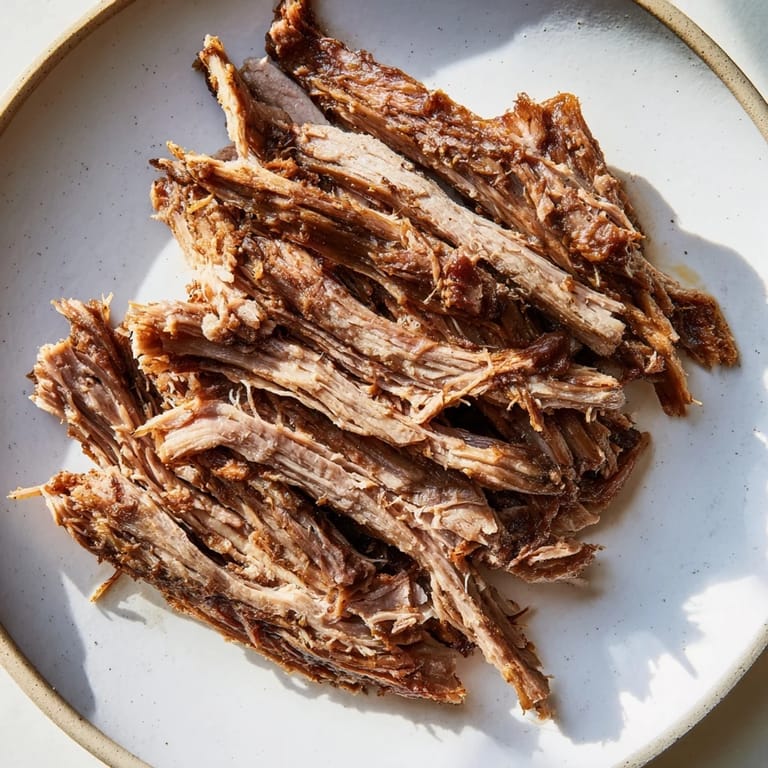
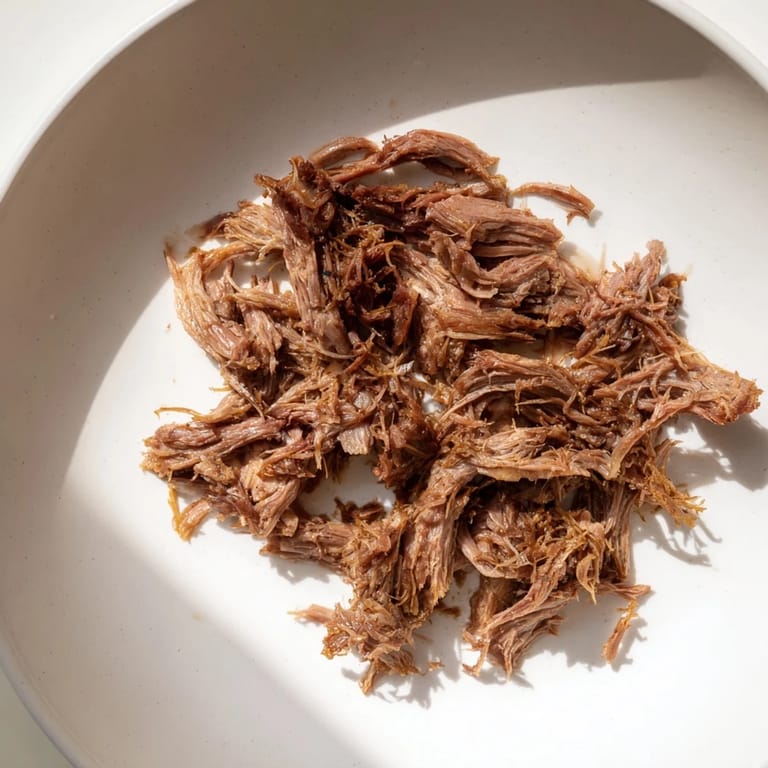
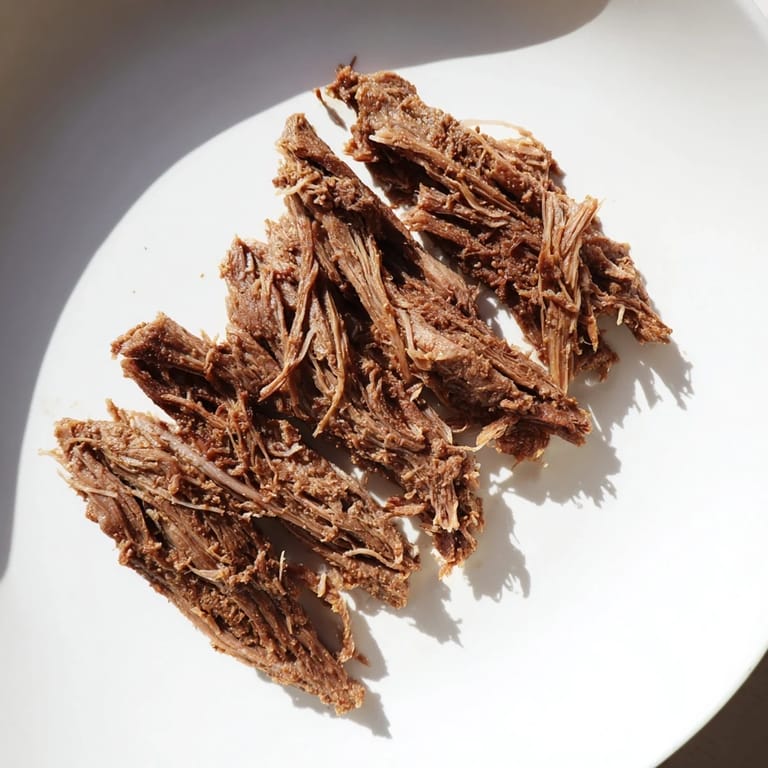
- When the time comes, carefully unwrap and shred the meat with two forks—it should fall apart effortlessly. If it doesn't, give it another 30 minutes; every oven is different.
 Save to Pinterest
 There was a moment about halfway through the cooking process when I lifted the lid to check on things, and the steam that rolled out carried such an intoxicating blend of cumin, cinnamon, and something I can only describe as warmth itself. My entire kitchen had been transformed into something that smelled like a celebration, and I hadn't even done anything except wait. That's when Shuwa stopped being a recipe and became a ritual for me.
About This Omani Classic
Shuwa is traditionally cooked in underground sand ovens called tandoors, where the gentle, even heat over many hours creates something that modern kitchens can only approximate. The home oven method I've given you captures the essential technique—long, slow cooking that breaks down the meat's connective tissue until it becomes impossibly tender. What matters is respecting the time and temperature, not the method, and understanding that shortcuts here genuinely don't work.
Pairing and Serving
Serve this alongside fluffy basmati rice cooked with a pinch of the same spices, a simple tomato and cucumber salad with onions, and a cooling yogurt sauce made with plain yogurt, garlic, and fresh cilantro. The contrast between the rich, slow-cooked meat and the fresh, bright sides is exactly what makes this meal feel complete and balanced. Rice soaks up the incredible juices that accumulate during cooking, so don't serve this dry—plate it generously with its own cooking liquid drizzled over top.
Make-Ahead Strategy and Storage
This dish actually improves when made a day or two ahead, as the flavors continue to develop and deepen even as it cools. Store the wrapped meat in its cooking vessel, covered, in the refrigerator for up to 3 days, or freeze for up to 3 months. Reheat gently in a 160°C oven, covered, for about 45 minutes; add a splash of water if needed to prevent drying out. You can also shred and freeze just the meat itself in portions for quick weeknight meals that taste like you spent all day cooking.
- Marinate the meat the night before, or even 24 hours ahead if your schedule allows—this removes a big task from cooking day.
- Banana leaves can be prepped and wrapped around the meat hours before cooking; just refrigerate the bundle until you're ready to roast.
- This freezes beautifully, so consider doubling the batch and saving half for a future dinner when you need something impressive without the effort.
 Save to Pinterest
 Every time I make Shuwa now, I think about Layla's calm hands and her grandmother's patience echoing through generations. It's a dish that teaches you something about slowing down, about trusting time to do what rushing never can.
Recipe Frequently Asked Questions
- → What type of meat is best for Omani Shuwa?
Lamb shoulder or leg with bone-in is preferred due to its tenderness and flavor, although beef or goat can be used as alternatives.
- → How long should the meat marinate?
The meat should marinate for 8 to 24 hours to fully absorb the aromatic spices and garlic-ginger paste.
- → Why are banana leaves used in cooking?
Banana leaves help retain moisture, impart an earthy aroma, and prevent the meat from drying out during the slow roasting process.
- → Can I substitute banana leaves if unavailable?
Parchment paper or heavy-duty foil can be used as alternatives, though banana leaves add a unique, authentic flavor.
- → What is the ideal cooking temperature and time?
Roasting at 160°C (320°F) for 4 to 6 hours ensures the meat becomes tender and infused with spices.